
Media
Filter by Category
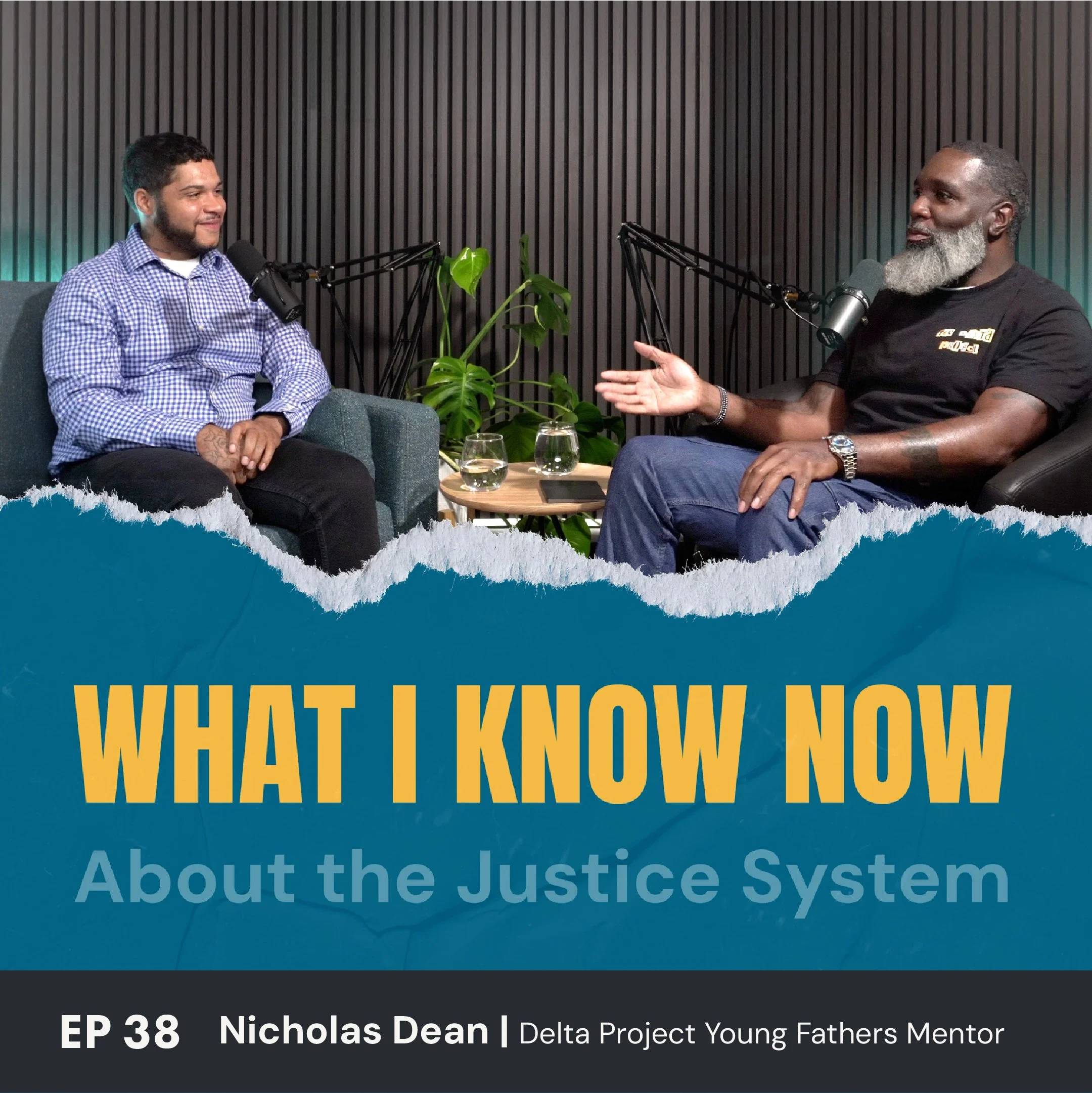
Supporting Young Fathers: Nicholas Dean’s Advocacy Journey with the Delta Project
This week’s "What I Know Now" episode launches Season 3 with an unfiltered look at visibility for young people and families affected by the justice system. Nicholas Dean’s story begins inside juvenile detention at 16, but this is not a tale about incarceration—it’s about reclaiming voice, agency, and dignity. Through adversity and loss, including heartbreak over child custody and navigating Friend of the Court, Nicholas became determined not to be defined by systems designed to keep him invisible.
Now a mentor with The Delta Project, Nicholas stands beside new generations of young fathers. He demonstrates that being present, honest, and persistent—showing up even when the odds seem impossible—is a form of radical visibility. His approach to mentorship isn’t about talking at others, but walking alongside them—making space so they can own their stories and shape their futures.
Season 3’s focus on visibility means honoring the experiences that shape us, and challenging systems to do better. This episode sets the tone for stories that don’t just expose hardship, but lift up hope, resilience, and real-life tools for navigating change. Nicholas’s journey is visibility in action—a blueprint for others to not give up, to try, and to be seen.
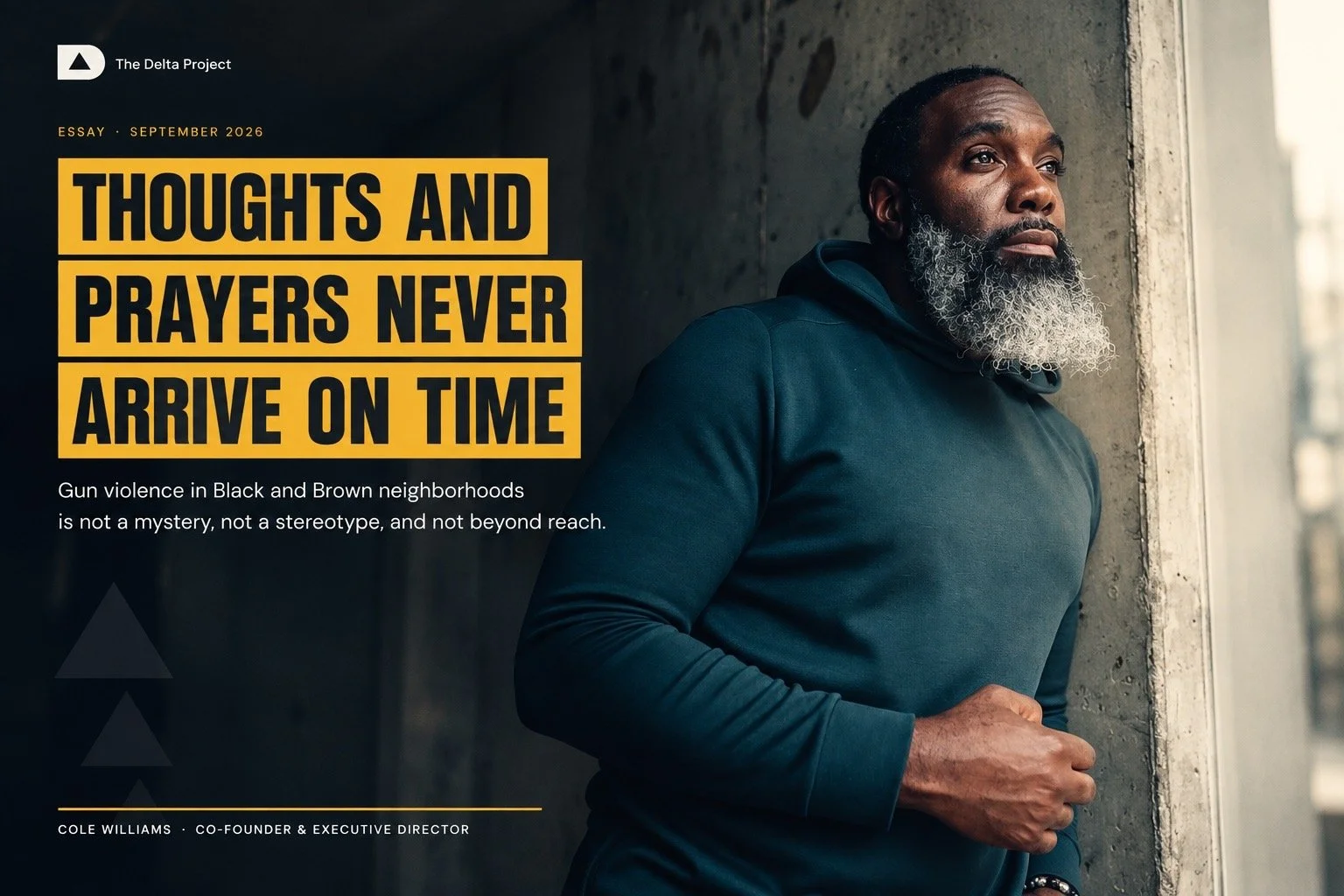
Thoughts and Prayers Never Arrive On Time
A stark, unflinching account of the summer’s gun violence in Grand Rapids, and the human cost buried beneath the statistics. Executive Director Cole Williams argues that the crisis is small, concentrated, and entirely reachable, yet met with selective empathy and underfunded solutions. Through the stories of young people lost, he makes the case that real safety requires presence, investment, and a refusal to accept any child’s death as ordinary.
The Economics of Belonging
Every young person is running a quiet calculation. Do I matter here? Will anybody notice if I am gone? Is there a seat at this table with my name on it? They would never say it that way, but the math runs all the time, in classrooms and courtrooms and in kitchens where the chair across the table has been empty for years. The answer a child lands on shapes everything that comes after.
I know this as a founder. I knew it first as a father. Children do not ask the adults in their lives to be perfect. They ask us to be present, and they keep the books on us more honestly than any auditor ever could. Every time we show up, learn a young man's name and his story, and come back again, we make a deposit into an account he will draw on for the rest of his life. Stay long enough and the trust starts to compound. But when nobody invests, that account does not sit at zero. It goes negative. A young person with no reserve of belonging does not stop taking risks. He takes different ones.
Here is what troubles me about how today's society does its accounting.
We have built a whole economy around the second chance. A startup founder can fail three times, and we call the fourth attempt experience. Investors write checks to people whose last two companies collapsed, because in that world failure is tuition. We fund the comeback.
Then a fourteen-year-old acts out. He does exactly what a boy with an empty account and a still-developing brain is likely to do, and nobody calls his failure tuition. They call it a record. There is no comeback fund waiting for him, just a placement and a file. The same behavior we finance in one zip code, we prosecute in another. The founder and the boy are not different kinds of people. They started with different balances. One was born with belonging on deposit. The other was born in overdraft, and we punish him for terms he never wrote.
So how do we make young people feel like they belong? We stop treating belonging like a byproduct and start treating it like infrastructure. Nobody hopes a bridge into existence. You fund it and you maintain it. Belonging gets built the same way, through relationships that hold, adults who return, and rooms where a young man can look up and see himself in somebody who made it through.
Which brings me to the people best positioned to do this work, and what we do to them.
The most credible investors in a young person's belonging are often the men and women who lost their own and fought their way back. A lived experience mentor does not have to imagine the courtroom, the cell, or the long walk home with a record. He has the map because he walked the terrain. And when he sits across from a young man, the calculation changes. Somebody like me made it. Maybe there is a seat for me after all.
Yet the path we make these mentors walk is one of the most restrictive in the helping professions. A felony conviction, sometimes decades old, sometimes earned in the same childhood chaos we now ask them to help other children survive, becomes a barrier at nearly every door. Background checks. Clearances. Licensing rules. Facility restrictions. Most professionals will never comprehend what these men and women navigate just to show up for a child. The experience that qualifies them is the very thing we use to disqualify them.
Sit with what that teaches. We tell a boy his mistake does not have to define him, and then he watches the man mentoring him get turned away at the door for a mistake from twenty years ago. He learns the lesson we actually taught, not the one we meant to.
I am not arguing against safeguards. Children deserve protection, always. I am arguing against a system that preaches redemption and practices exclusion. If we believe in second chances, the proof is not in what we tell young people. It is in who we allow to stand beside them.
At The Delta Project we hold a simple discipline: See the child before the case, the family before the file. The economics of belonging asks one thing more of us. See the deposit before the deficit. Every young person arrives carrying an account, and the balance is not his fault. It is our shared ledger. We can keep paying on the back end, in placements and prosecutions and interrupted lives, or we can invest on the front end, in mentors, in presence, in a seat that stays open at the table.
One of those choices compounds. The other just costs.
WHEN THE ANSWERS DON’T COME
I am expecting the young men in my circle to bring up Nolan Wells.
Maybe not by name. It may come as a question about the news. It may come sideways, in a joke that is not really a joke about boat trips and who you go with. But it is coming.
I already hear it among my contemporaries. Grown men turning the story over after meetings, in group texts, in the quiet at the end of phone calls. What the grown men are saying and what the young men are holding are two entirely different conversations, and most of the time they happen in different rooms.
I have spent my life trying to close the distance between those two rooms.
Here is how we break it down, because parents, mentors, coaches, and teachers are facing the same silence at their own kitchen tables.
Mentally, we hold two truths at once. Your fear is not paranoia. It is inheritance. Black families in this country have buried too many sons under circumstances that were explained too quickly. And we do not let our pain write facts that have not been established. We can demand a full and honest investigation, stand with a grieving family, and still refuse to hand our minds over to speculation.
Physically, we let the grief be in the body, because that is where it lives. Shoulders up. Sleep short. Jaw tight in a way he cannot explain. So we move. We get young men in rooms together. We eat together. We name what the body is doing out loud, so a young man learns that shaking hands are information and not weakness.
Narratively, we take the pen back. In marginalized communities, storytelling is not decoration. It is survival. Our people carried freedom in songs and whole family histories in the space between a grandmother’s sentences, because the official record was never written for us or by us.
A young man’s name is being pulled in every direction by strangers with platforms, and his family is trying to grieve inside that noise. Whatever the facts turn out to be, the people closest to him deserve to lead the telling. Every young man watching is learning a lesson about what happens to your story when you are no longer here to tell it.
The Delta Project began with a question a student in detention asked me in 2017: How do I become something I don’t see? Our answer, from the first day, was to put the tools of storytelling into young men’s hands. A young man who can tell his own story, in his own voice, has something no system and no news cycle can take from him.
Grieve him. Say his name with care. Stand with his family’s right to answers. Let your body feel what it feels. And then pick up the pen, the camera, the microphone, whatever is in reach, and keep telling your story.
These conversations do not get easier. They are not supposed to. They are supposed to get truer.
#YouthJustice #Mentorship #Storytelling #CredibleMessengers
The Curriculum in the Chair
The Curriculum in the Chair
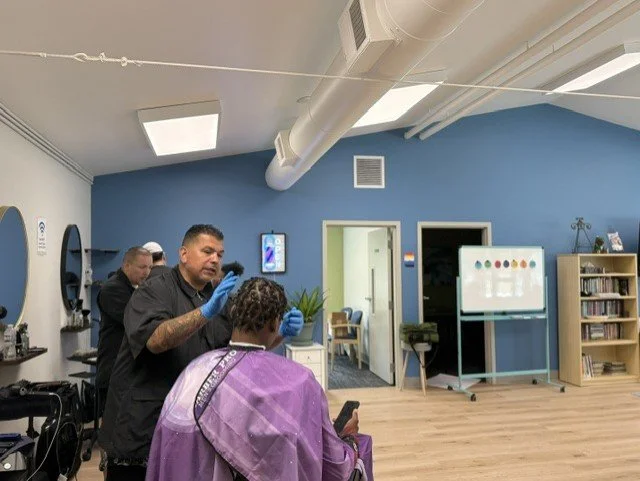
There’s a reason a young man will tell his barber what he won’t tell almost anyone else. For thirty or forty-five minutes, he’s sitting still, with someone he trusts, and the guard comes down.
Lansing is leaning into that truth. This June, News 10 reported on Barbershop Talk, a series run by Child and Family Charities, where young people 14 to 21 get a free haircut and an open conversation — led by trusted adults — about gun violence, suicide, and fatherhood. As one barber described it, the trust deepens with every visit, and so does the willingness to talk.
What the reporting captured was the room. What it didn’t name was the framework guiding those conversations: Son to a Father, the curriculum written by Cole Williams for The Delta Project. Built around the questions young men rarely get to ask out loud about masculinity, fatherhood, mental health, and becoming something you’ve never seen modeled. It’s designed to travel into the rooms where young men already are. In Lansing, it’s doing exactly that.
None of this is a hunch. A landmark Cedars-Sinai study in the New England Journal of Medicine proved that Black men reached in the barber’s chair got results the clinic couldn’t touch. And the research now points to the next frontier: mental health, young men, delivered by the people they already trust. That’s exactly the gap Son to a Father steps into.
That’s what The Delta Project has staked its work on: belonging is the intervention. Put a curriculum like Son to a Father in a trusted messenger’s hands, and the chair stops being just a chair. It becomes one of the few places a young man is met with substance,
experience, compassion, and support all at once.
The reporting told the story of the chair. This is the story of what’s being said in it.
The Best Kind of Summer Day
The Best Kind of Summer Day
Grand Rapids opened the summer with a heat wave, and The Delta Project met it head-on.
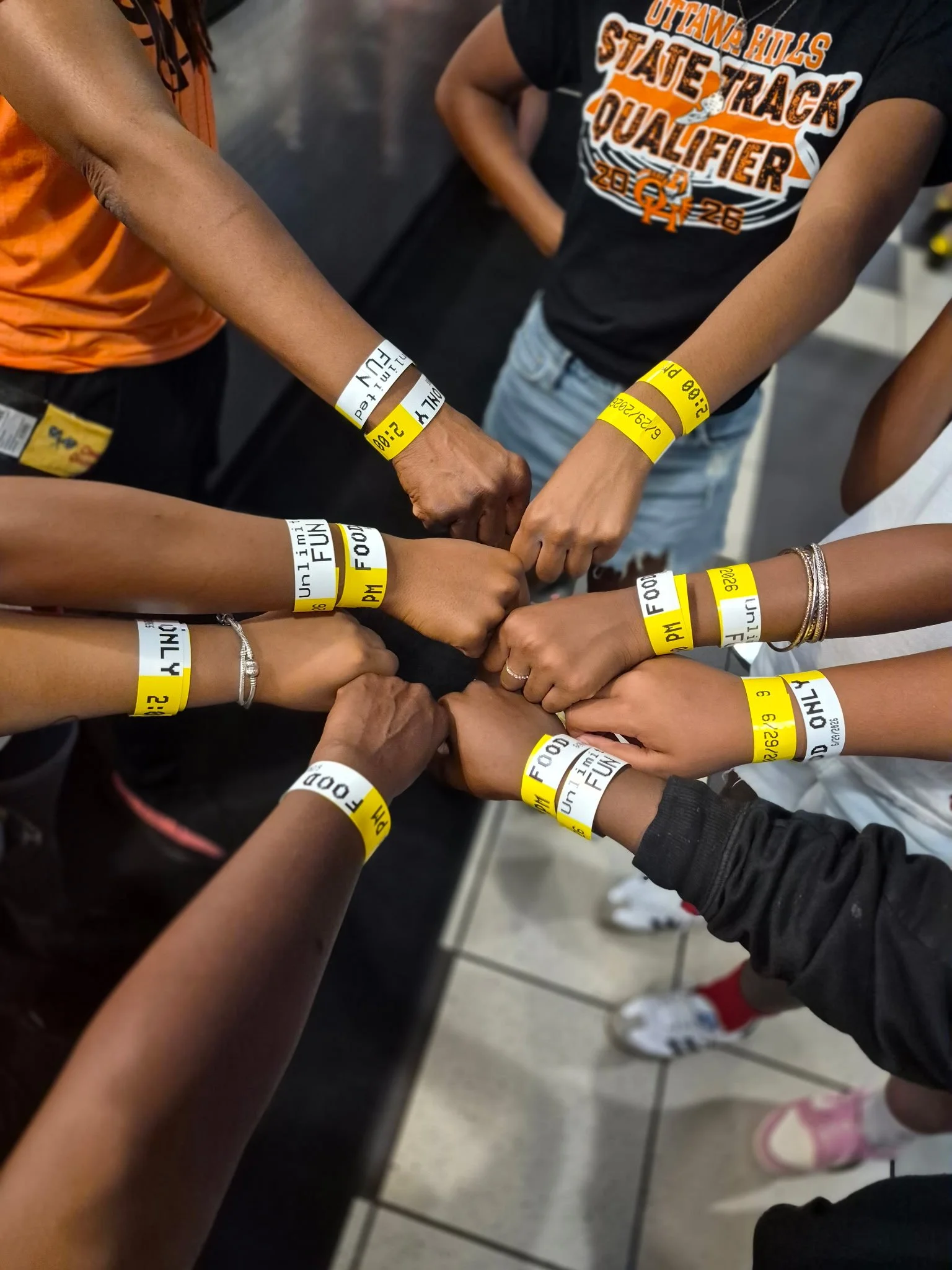
Day one of Summer Experience Week took the Healthy Connections crew to Craig’s Cruisers for go-karts, bumper cars, laser tag, trampolines, slides, the buffet — and a few rounds of ice cream. It was, in Program Director Shanda Vaughn’s words, “loud, chaotic, sweaty, and so much fun. The best kind of summer day.”
Day two, the heat came back harder, so Shanda let the girls decide. They voted for a movie:
Toy Story 5, popcorn, cold drinks. What looked like a rest day turned into something more.
The film opened a real conversation about technology, friendship, and being present with
the people in front of you — and the young women had a lot to say:
“Starting a friendship over a device is not always good.” — Diamond
“It’s okay to get off your phone once in a while.” — LaMiya
The conversation kept going over wings at Buffalo Wild Wings, where the girls turned their
own reflections into a plan: a no-phones challenge for Thursday’s camp day, on terms they set themselves.
That’s the quiet genius of Shanda’s leadership. She doesn’t lecture a room about presence, instead she builds the space where young people arrive at the lesson on their own.
Two days in, that’s exactly what The Delta Project’s mission looks like in action.
Thank you, Shanda. Summer’s just getting started.
The Warmest Thing in the Room
The Warmest Thing in the Room
On Father’s Day weekend, during Juneteenth, Cole Williams carried The Fatherhood Project to New York City. In a darkened room, two fathers featured in the documentary watched their lives reflected on the screen and received by an audience.
It was more than a screening. It was an argument against the harmful stories America continues to tell about Black fathers.
The film offered something different: fathers holding their children’s hands, showing tenderness, remaining present, and doing the difficult work of raising families in systems that have too often worked to separate them. For the men in the room, it was a public reminder that their stories mattered and that they deserved to be seen fully.
The Delta Project was invited to New York by Avenues for Justice, an organization that supports young people impacted by the justice system. The weekend also created space to connect with Real Dads Network, which helps fathers heal, grow, and strengthen their relationships with their families.
Though the organizations work in different cities, the heart of their work felt familiar: a shared belief that people deserve support before judgment, that a young person is more than the worst moment of his life, and that healing and accountability must exist together.
A weekend in New York cannot undo the systems that continue to separate fathers from their children or reduce young people to case numbers. A documentary cannot change a sentence or repair every broken relationship.
But something meaningful traveled home with The Delta Project: proof that this work is not happening in isolation. Across cities, people are choosing care, consistency, accountability, and love.
The Delta Project is a Grand Rapids nonprofit working to break cycles of incarceration by reconnecting youth of color and their families to community through mentorship, coaching, and storytelling.
The work continues.
Building Trust and Legacy: Adam Hoeksma’s Community Impact After Justice Involvement
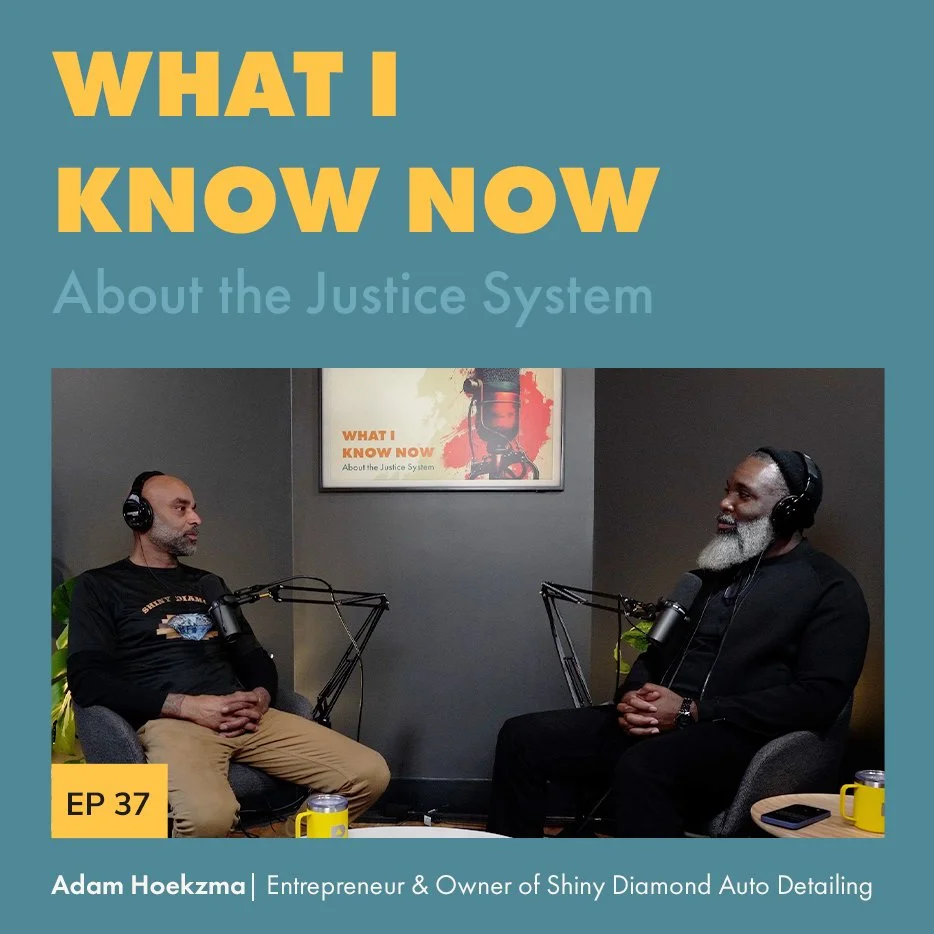
The episode explores Adam Hoeksma’s journey from a young car enthusiast in Grand Rapids to owner of Shiny Diamond Auto Detailing, highlighting his deep-rooted passion for detailing, shaped by family support and personal drive. Adam Hoeksma reflects on fatherhood across generations, sharing how his roles as a father and grandfather, combined with his diverse upbringing, inform both his business philosophy and commitment to legacy. The discussion addresses the realities of reentry after incarceration, as Adam Hoeksma candidly recounts his own experience with the justice system, challenging stereotypes about returning citizens and offering practical advice on rebuilding through resilience, community networking, and communication. The episode also delves into the importance of mentorship, community engagement, and creating supportive spaces for young people navigating the juvenile justice system. Through personal anecdotes, Adam Hoeksma and Cole Williams underscore the value of balance, rest, and listening—both in business and life—as essential lessons for anyone seeking to create lasting change for themselves and their communities.
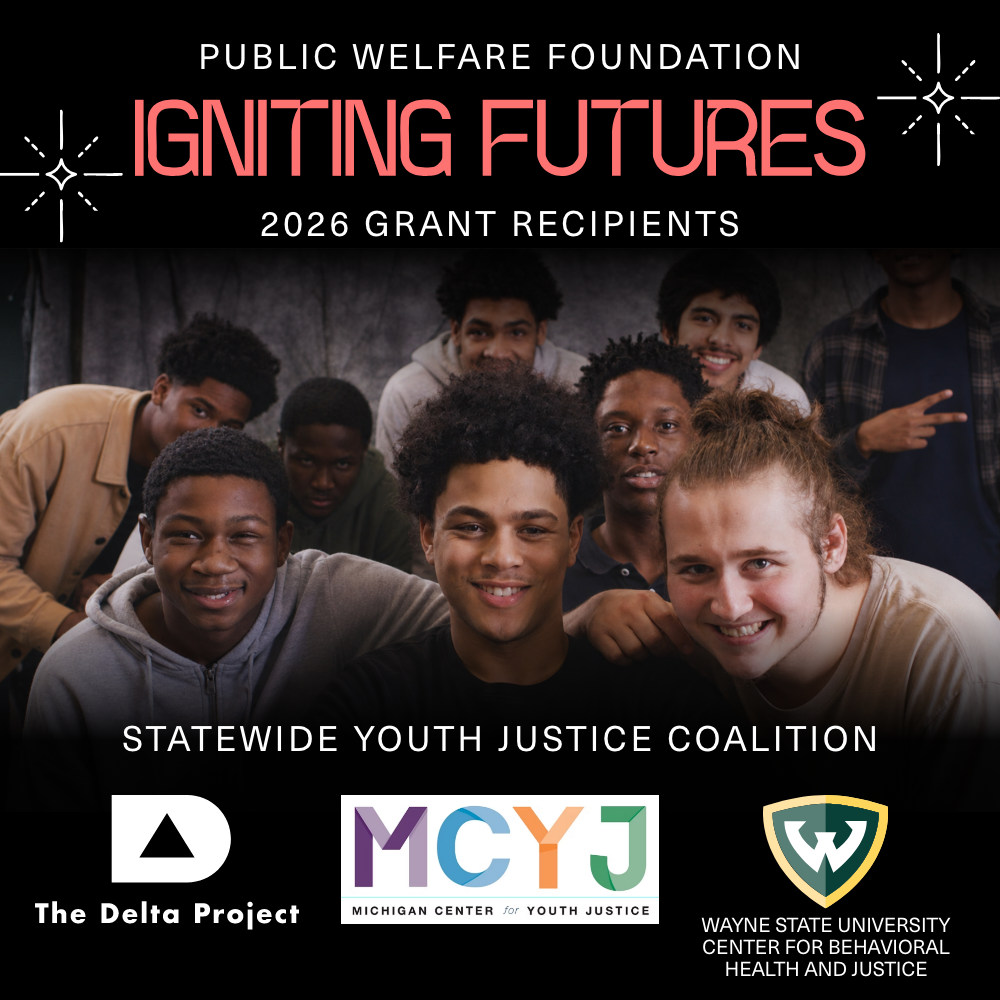
The Delta Project Helps Lead Statewide Youth Justice Coalition Awarded $1M IGNITING FUTURES Grant
The Delta Project, Michigan Center for Youth Justice, and Wayne State University Center for Behavioral Health and Justice have been selected as co-lead recipients of the IGNITING FUTURES: A Youth Justice Grant from Public Welfare Foundation. The Michigan coalition was awarded $1,000,000 and is one of only two coalitions selected nationwide.
This investment will support a new statewide coalition focused on reshaping Michigan’s youth justice system through community-rooted programming, research, policy advocacy, and systems-level change. Each partner brings a distinct strength to the work. The Delta Project brings deep community trust and direct service experience with young people and families impacted by the juvenile justice system. Wayne State University contributes research, evaluation, and evidence-based practice expertise. Michigan Center for Youth Justice brings statewide policy and advocacy capacity.
Together, the coalition will focus on three key priorities: better leveraging Michigan’s Child Care Fund so resources reach young people, families, and community organizations more effectively; expanding youth diversion options to reduce deeper system involvement; and bridging critical service gaps for families navigating the juvenile justice system.
For The Delta Project, this grant represents both an expansion of the work and a continuation of its mission. Programs like Boys to Men-tors, the Young Fathers Initiative, Healthy Connections, and the What I Know Now podcast will continue to grow alongside the coalition’s broader systems-change efforts.
“This grant is not a destination. It is the foundation,” said Cole Williams, Executive Director and Co-Founder of The Delta Project. “The Delta Project, Michigan Center for Youth Justice, and Wayne State University have come together to build something Michigan’s young people have needed for a long time — a coalition with the community trust, research infrastructure, and policy reach to produce real, statewide change.”
Through this coalition, The Delta Project will help advance a more just, humane, and effective youth justice system across Michigan.
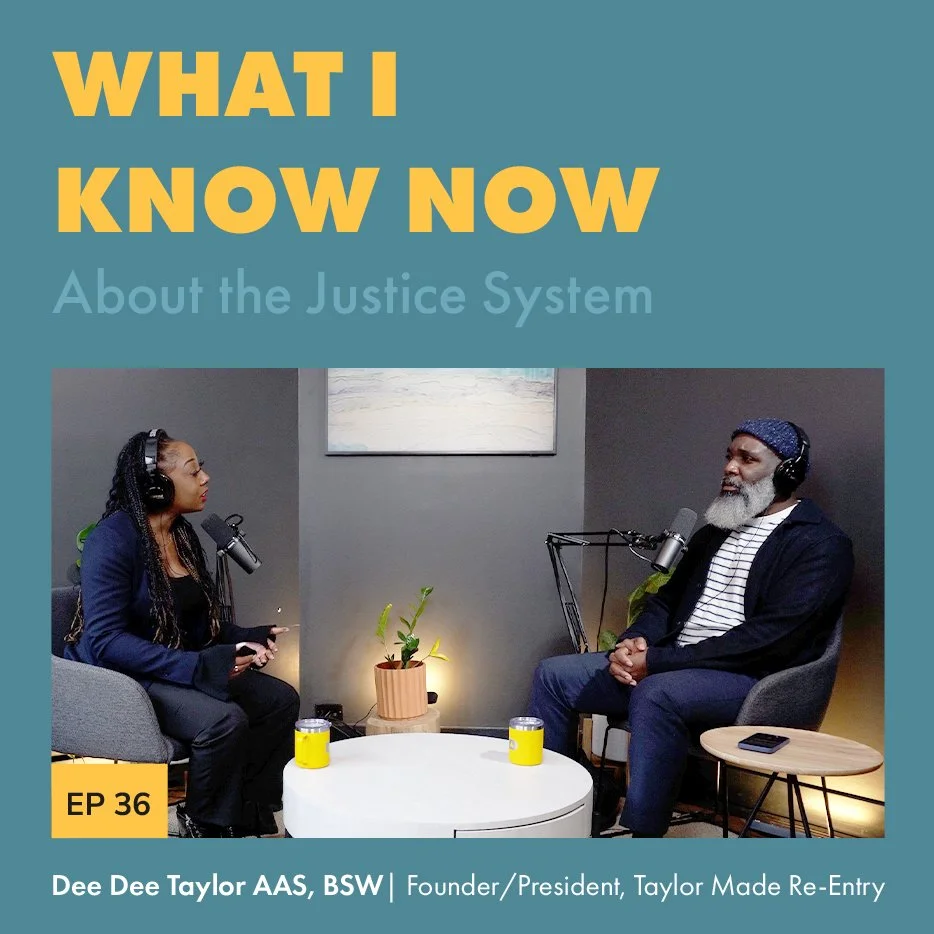
Bridging Gaps in Re-Entry: Empathy, Access, and “Taylor”-Made Solutions for Returning Citizens
The episode explores Dee Dee Taylor's personal journey and her commitment to reimagining reentry support for those leaving incarceration. She shares how her early exposure to the criminal justice system, shaped by her father's incarceration, influenced her to found Taylor Made Re-Entry, a nonprofit focused on tailored resources for returning citizens in Michigan. The conversation delves into the systemic gaps in reentry services, the importance of individualized support, and the roles of poverty and access in recidivism. Dee Dee Taylor also reflects on the deep impact of her sister Breonna Taylor’s death and her unique approach of collaborating with law enforcement for systemic change. Throughout, the discussion emphasizes the collective burden incarceration places on families, the power of healing, and the courage it takes to seek help, advocating for compassion and community-driven solutions for successful reintegration
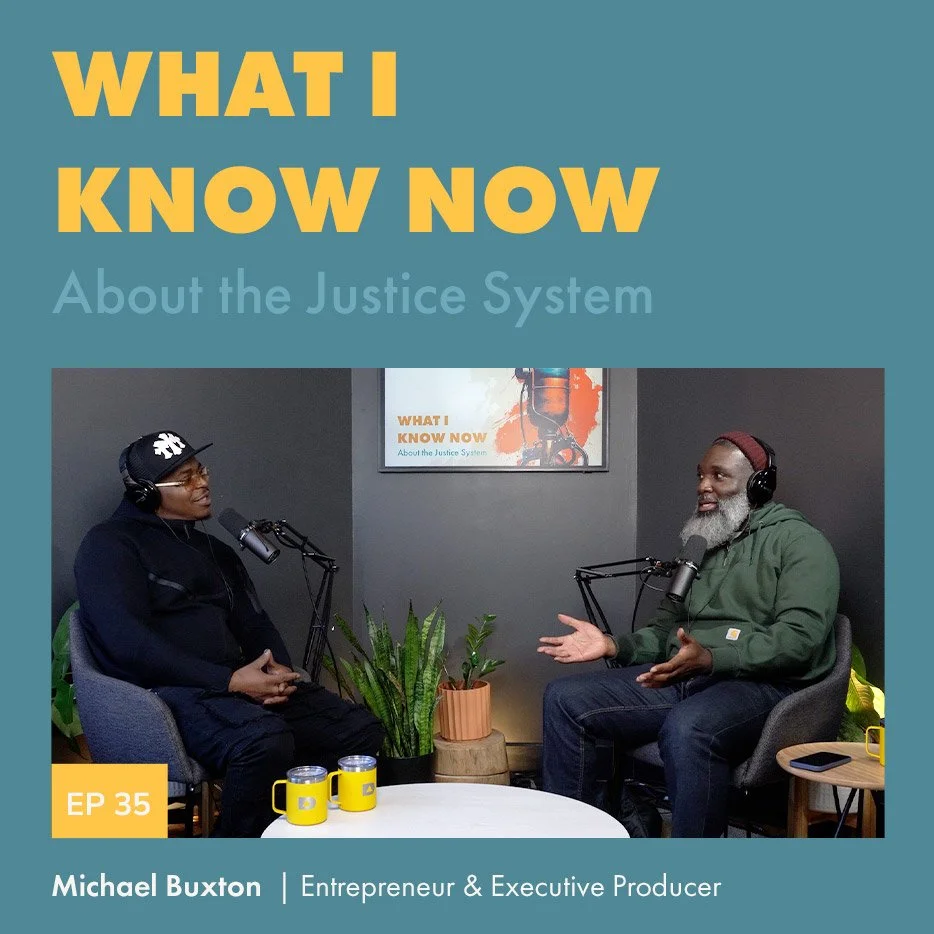
Episode 35: Rewriting the Narrative: Michael Buxton’s Path from Prison to Business and Community Empowerment
Michael Buxton shares how growing up between poverty, instability, and the streets led him from promising student-athlete to incarceration at a young age. In conversation with Cole Williams, he reflects on accountability, fatherhood, and the relationships that helped him rebuild his life—and why authentic mentorship and opportunity matter for youth trying to break the same cycles.
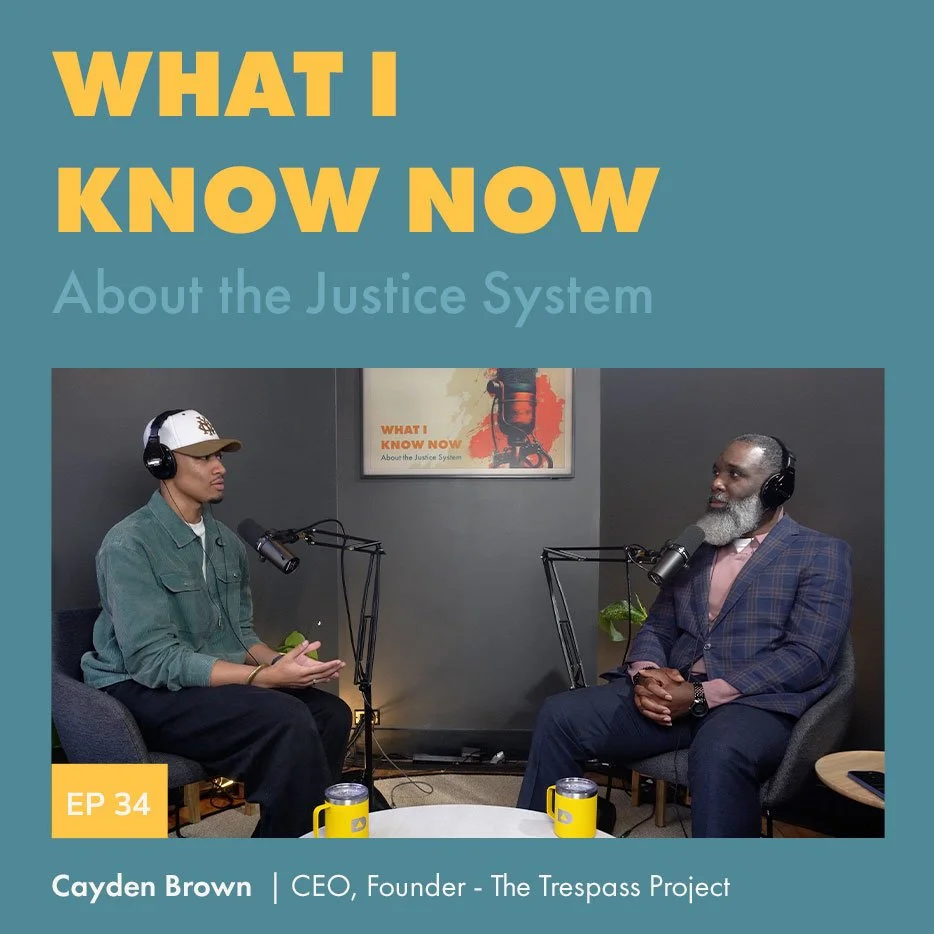
Episode 34: The Kid in the Courtroom - Why Youth Perspectives Matter in Justice Reform
Cayden Brown reflects on going from a child unheard in the courtroom to a national advocate for youth voice and juvenile justice reform. In conversation with Cole Williams, he shares how lived experience shaped programs like Teen Court and why empowering young people to be seen, heard, and trusted can change the direction of their lives.
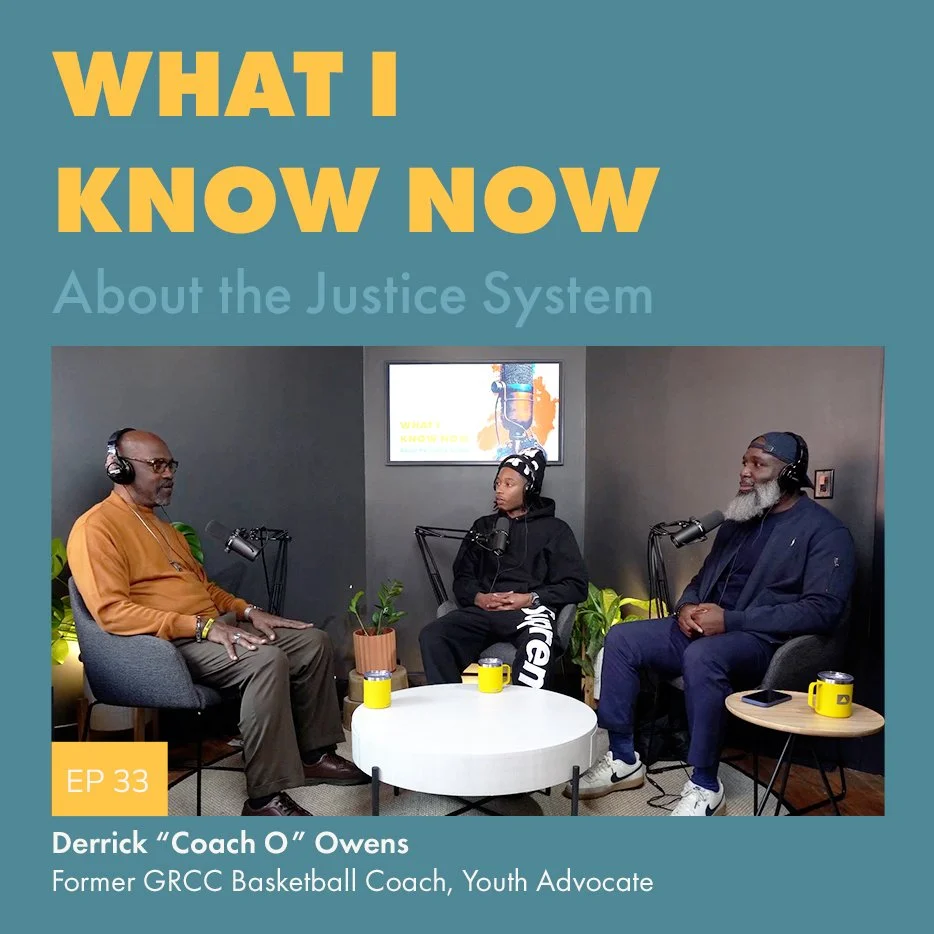
Episode 33: Building Character Through Sports: “Coach O” Shares His Secret Sauce for Youth Mentorship
Coach O reflects on growing up in Detroit surrounded by instability, foster care, and incarceration—and how mentorship and basketball helped shape a different future. In conversation with Cole Williams and Nick Williams, he shares why accountability, respect, and authentic connection are essential for young people and fathers trying to break generational cycles.
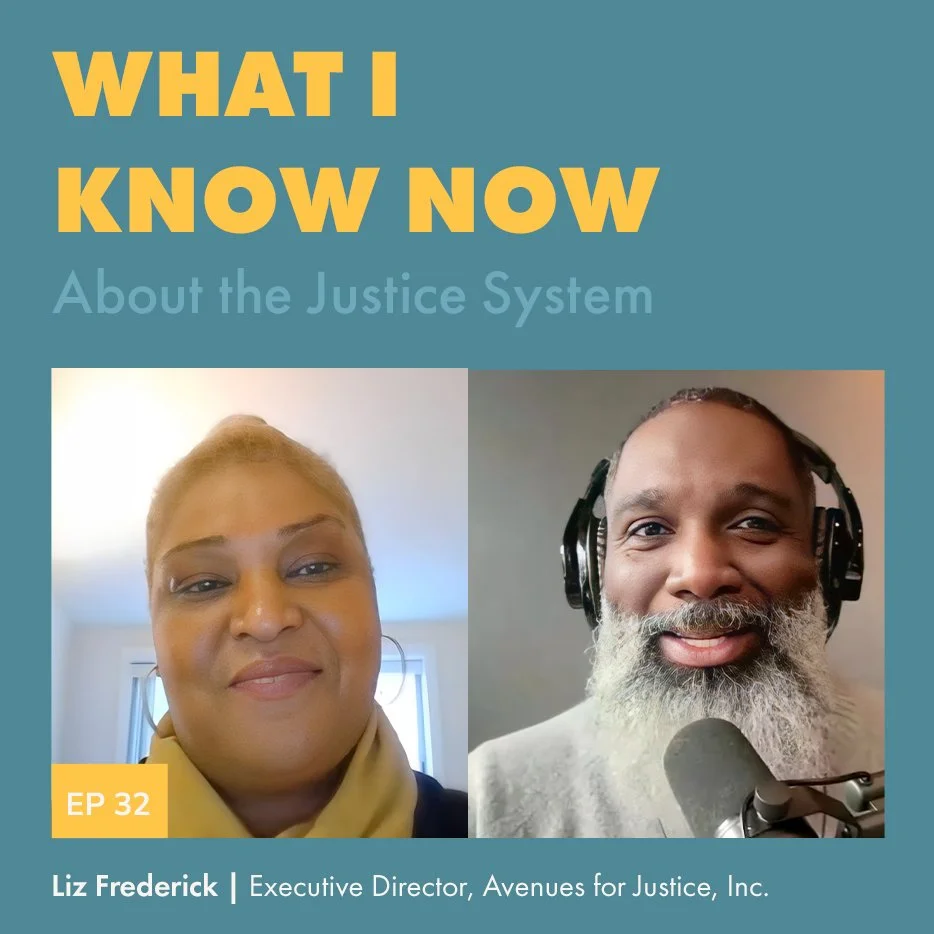
Episode 32: Community-Based Change: Liz Frederick on Safe Spaces and Alternatives to Incarceration
Liz Frederick shares how Avenues for Justice is creating alternatives to incarceration through mentorship, advocacy, and long-term community support for youth in New York City. In conversation with Cole Williams, she reflects on the generational impact of incarceration, the importance of lived experience, and why real change begins with relationships—not punishment.
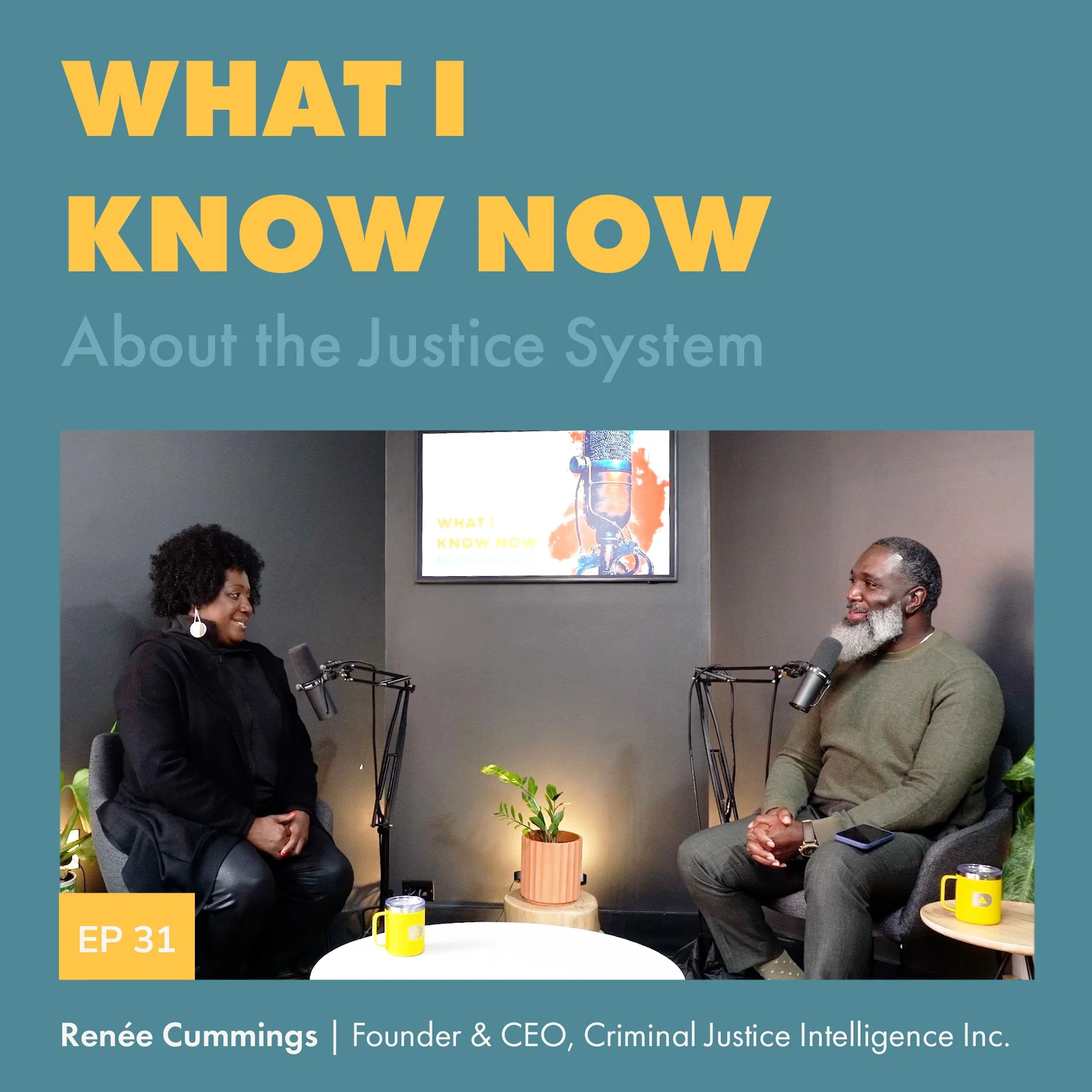
Episode 31 - Civil Rights in the Age of AI: Renee Cummings on Justice Data, and Young People’s Futures
Renee Cummings explores how artificial intelligence, predictive policing, and digital data are reshaping the future of juvenile justice. In conversation with Cole Williams, she challenges listeners to consider who technology protects, who it harms, and how AI can be used to create more human-centered systems for young people.
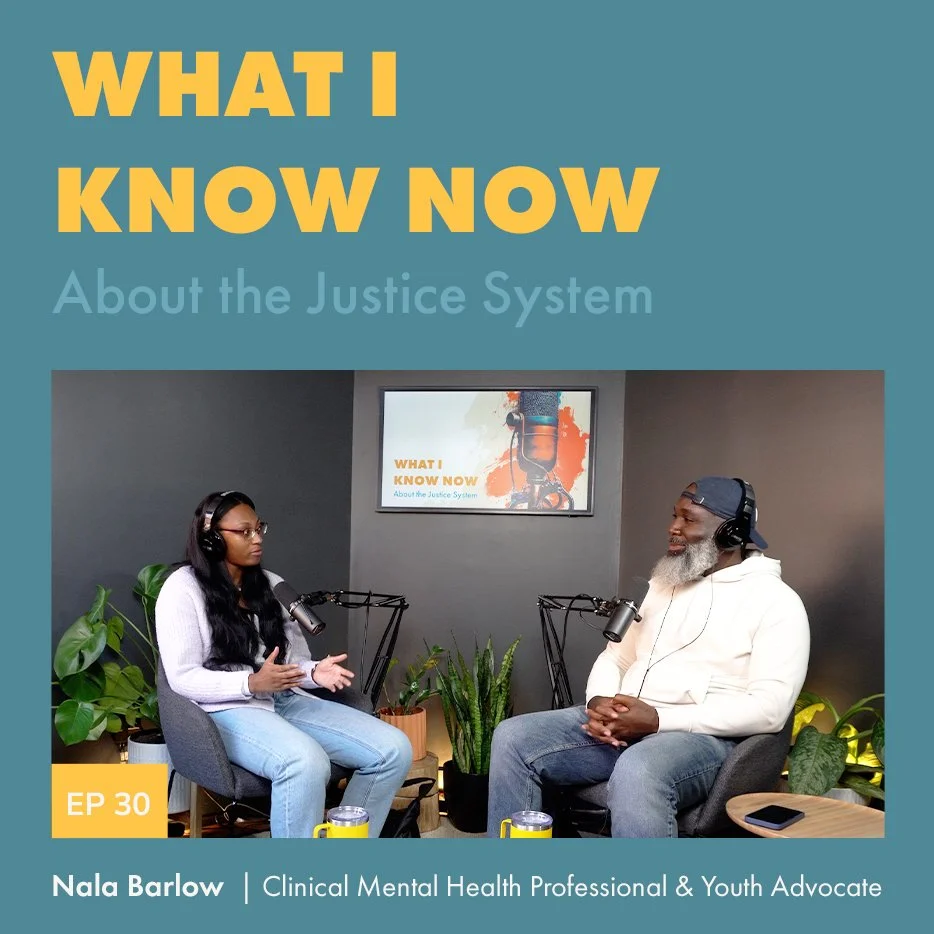
Episode 30: Mentors Matter - Nala Barlow’s Story of Resilience and Hope
Nala Barlow reflects on growing up surrounded by instability, homelessness, and the weight of adult responsibilities at a young age—and how mentorship, athletics, and education helped change the direction of her life. In conversation with Cole Williams, she shares how those experiences now shape her work supporting youth in juvenile detention and why healing begins when young people feel seen, valued, and loved.
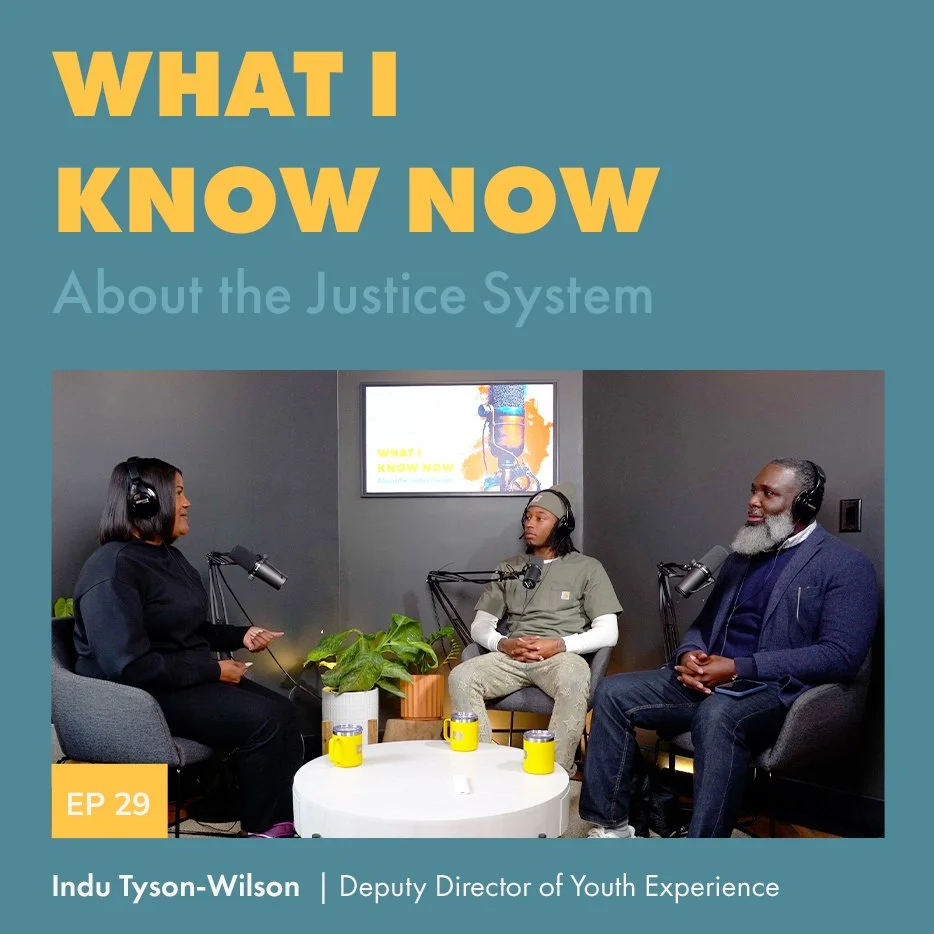
Episode 29: Seeing Kids First - Building Trauma-Informed Juvenile Justice with Indu Wilson
Indu Wilson shares her approach to juvenile justice at the Wayne County Juvenile Detention Facility, where compassion, accountability, and trauma-informed care are reshaping how youth experience detention. In conversation with Cole Williams and Nick, she reflects on the power of mentorship, community support, and treating system-involved youth as children worthy of dignity, opportunity, and hope.
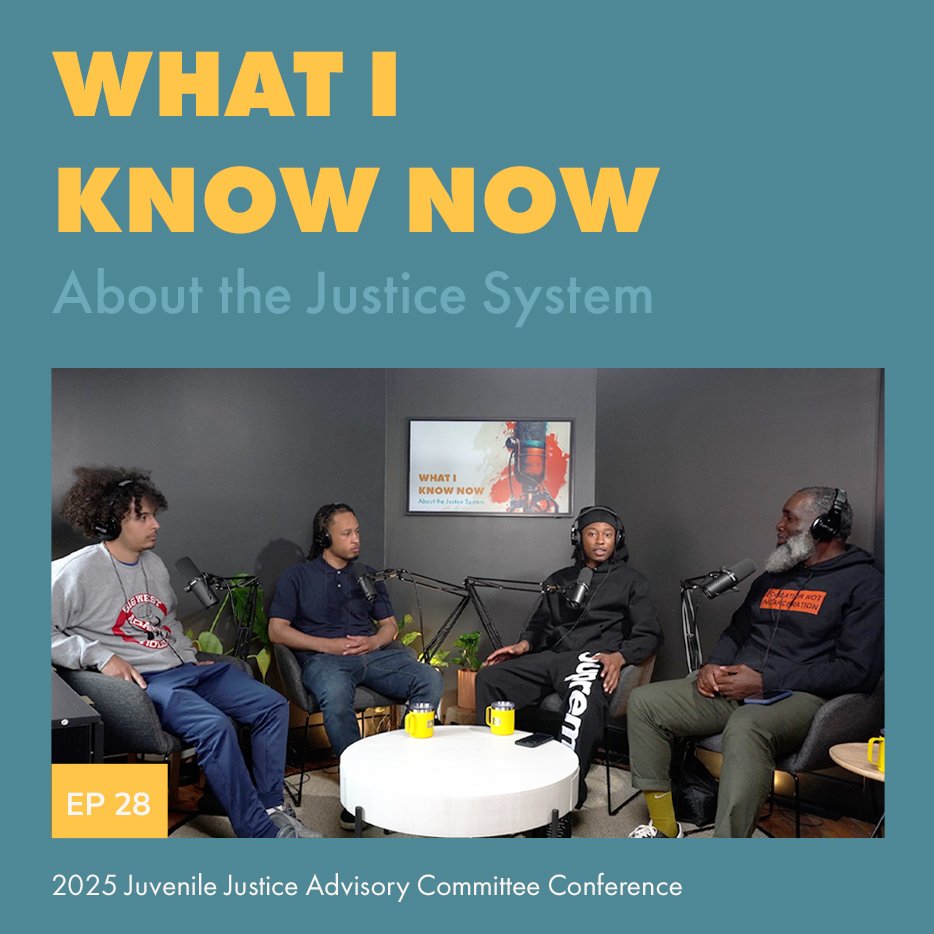
Episode 28: Beyond the Walls: Youth Voices on Hope, Healing, and Change in Juvenile Justice w/ Marshall Mansfield & Jordan Lyle
Cole Williams joins Marshall Mansfield, Nick Williams, and Jordan Lyle for an honest conversation about growing up inside Michigan’s juvenile justice system. Together, they reflect on institutionalization, identity, and the small moments of compassion that can shape a young person’s belief in their own future.
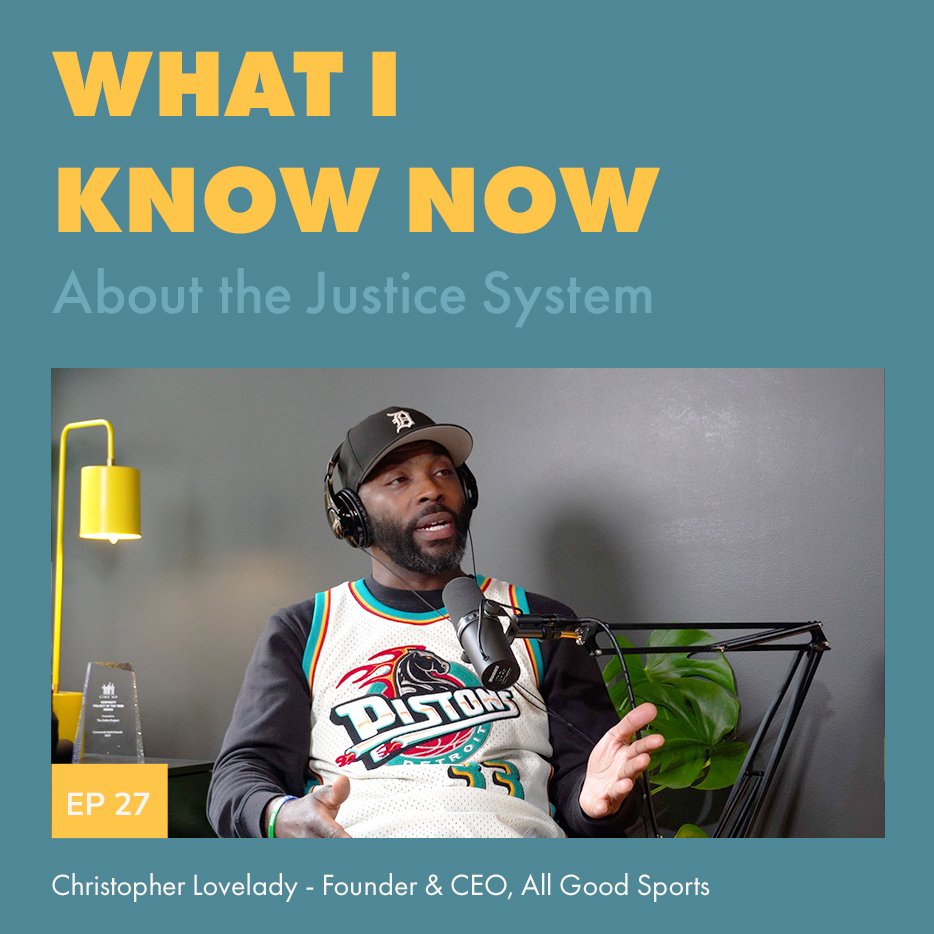
Episode 27: Building Brotherhood and Community - Christopher Lovelady’s Journey with All Good Sports
Christopher Lovelady reflects on fatherhood, mentorship, and the responsibility of creating spaces where young men feel supported, challenged, and connected to community. In conversation with Cole Williams, he shares how programs through All Good Sports use consistency, accountability, and brotherhood to help youth impacted by violence and incarceration imagine a different future.
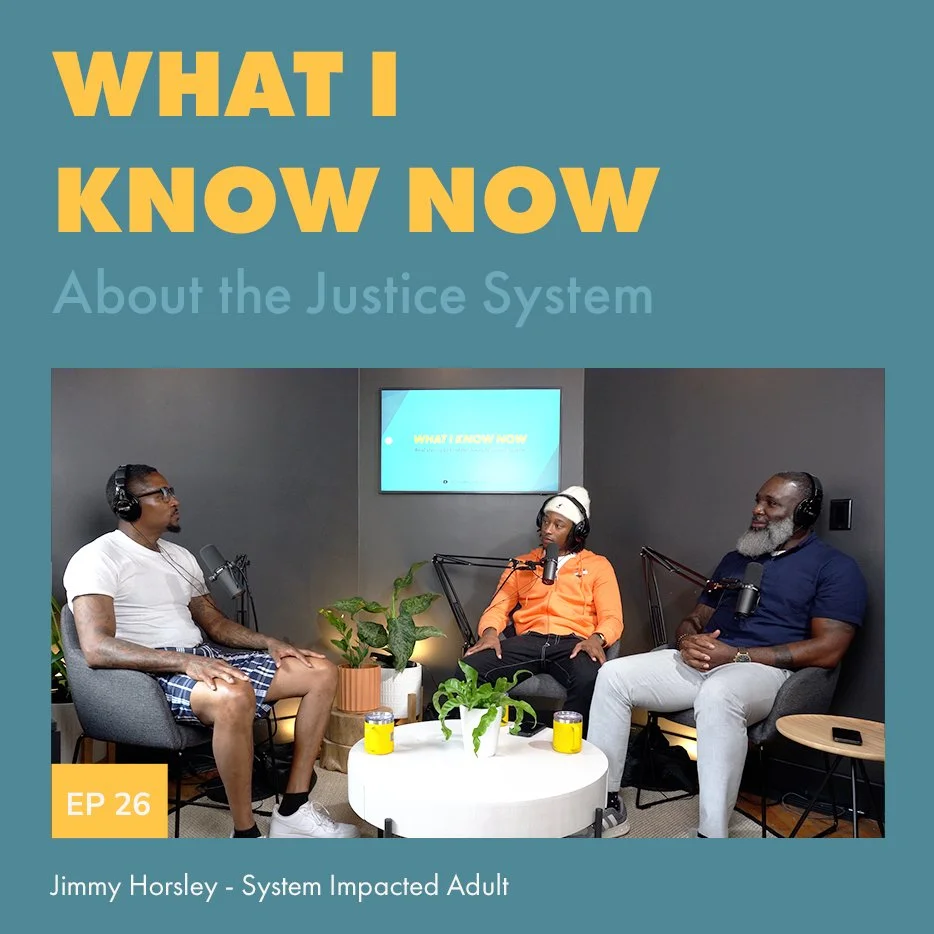
Episode 26: From Cell to Success: My Journey Out of Prison and Into Fatherhood with Jimmy Horsley
Jimmy Horsley reflects on incarceration, fatherhood, and the relationships that changed the direction of his life. In conversation with Nick Williams and Cole Williams, he shares how mentorship, faith, and becoming a father challenged the mindset that once kept him trapped in cycles of prison, fear, and street life.
