Shifting the Narrative: Fairness, Data, and Imagination in Reforming Justice Systems
In episode 31 of "What I Know Now", hosted by The Delta Project, Cole Williams welcomes renowned criminologist, data activist, and University of Virginia professor Renee Cummings to explore the intersection of artificial intelligence, justice reform, and youth empowerment.
This timely discussion dives deep into how algorithms and data-driven technologies are reshaping the social contract and impacting civil rights, especially for young people navigating justice systems. Renee Cummings offers invaluable insight into the complexities and risks of predictive analytics, how historic criminal justice data can reinforce systemic bias, and why data privacy and agency are crucial for both youth and communities. She emphasizes the importance of imagination, interdisciplinary approaches, and reimagining risk and decision-making, not just in the justice system, but in personal growth and rehabilitation.
Listeners are encouraged to think critically about the data they share, understand their digital identities, and use social media as a vision board to empower positive futures. For organizations working in youth justice, Renee Cummings challenges traditional paradigms, advocating for trauma-informed, innovative uses of technology—such as immersive justice experiences—to support better decision-making and growth.
This episode is a must-listen for advocates, nonprofits, parents, and anyone interested in ethical tech, equity, and the future of justice reform. Discover actionable takeaways on leveraging AI for good, questioning the decisions algorithms make about us, and fostering a shift toward compassion, imagination, and community intelligence in the digital age.


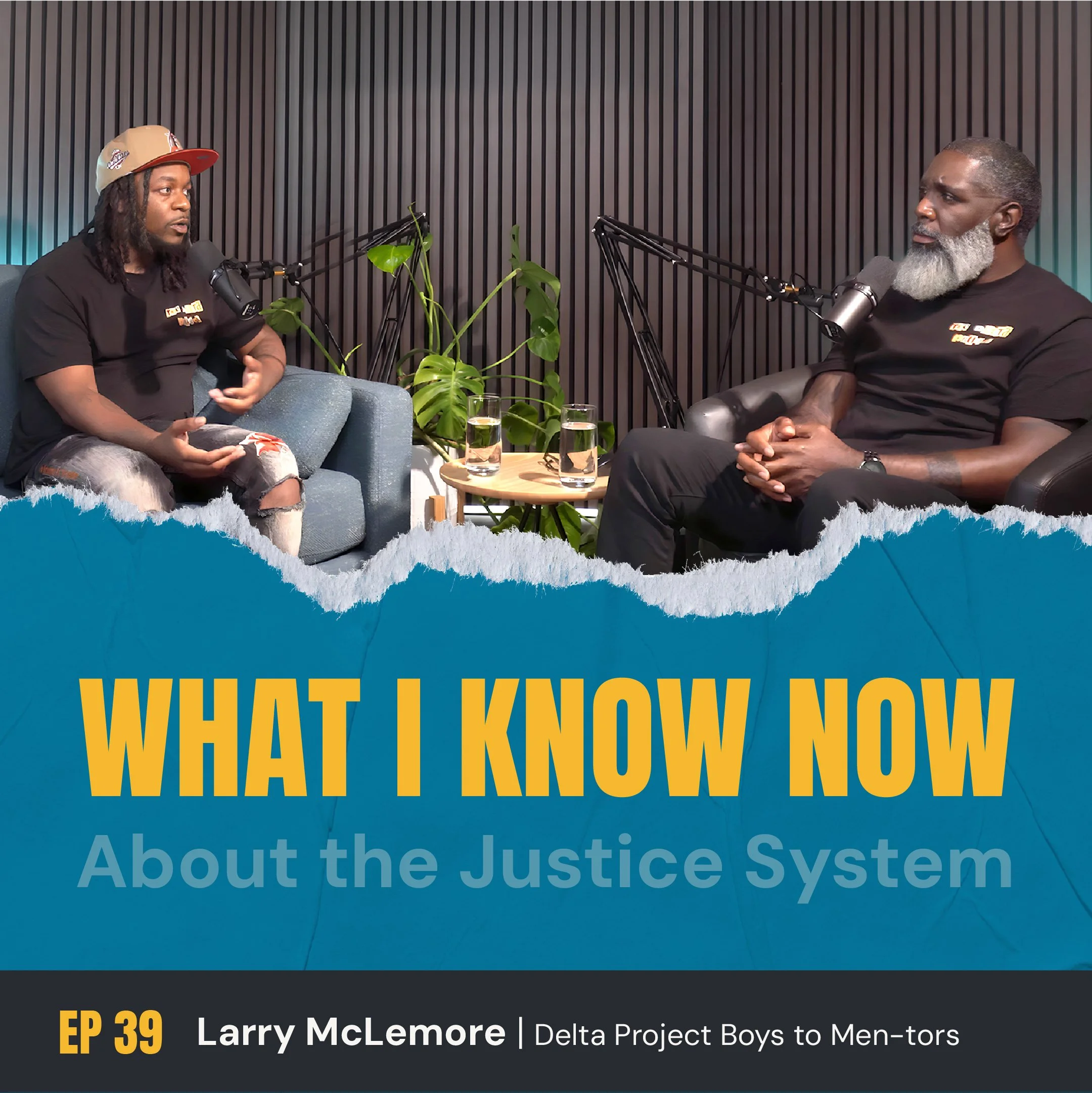
How Visibility Changes Everything: Lessons from Larry McLemore
The conversation focused on the ripple effect of visibility when those impacted by the juvenile justice system are finally able to tell their stories on their own terms. One concept discussed was the disconnect many youth feel between themselves and authority figures who’ve never shared their struggles. A key theme that emerged was the deep power of mentorship—how even one trusted guide can shift the trajectory of a young person's life.
Larry highlighted the realities of life in and after “juvie,” the temptation of street life, and the challenge of finding value and identity after years of incarceration. The discussion explored not just survival, but transformation: the hard work of making peace with past mistakes, claiming your story, and showing young people new horizons. Several points were raised, including the need for norm changes in communities, access to opportunity, and the importance of giving youth spaces to truly be seen—not just watched.
Now a mentor with The Delta Project, Nicholas stands beside new generations of young fathers. He demonstrates that being present, honest, and persistent—showing up even when the odds seem impossible—is a form of radical visibility. His approach to mentorship isn’t about talking at others, but walking alongside them—making space so they can own their stories and shape their futures.
Season 3’s focus on visibility means honoring the experiences that shape us, and challenging systems to do better. This episode sets the tone for stories that don’t just expose hardship, but lift up hope, resilience, and real-life tools for navigating change. Nicholas’s journey is visibility in action—a blueprint for others to not give up, to try, and to be seen.
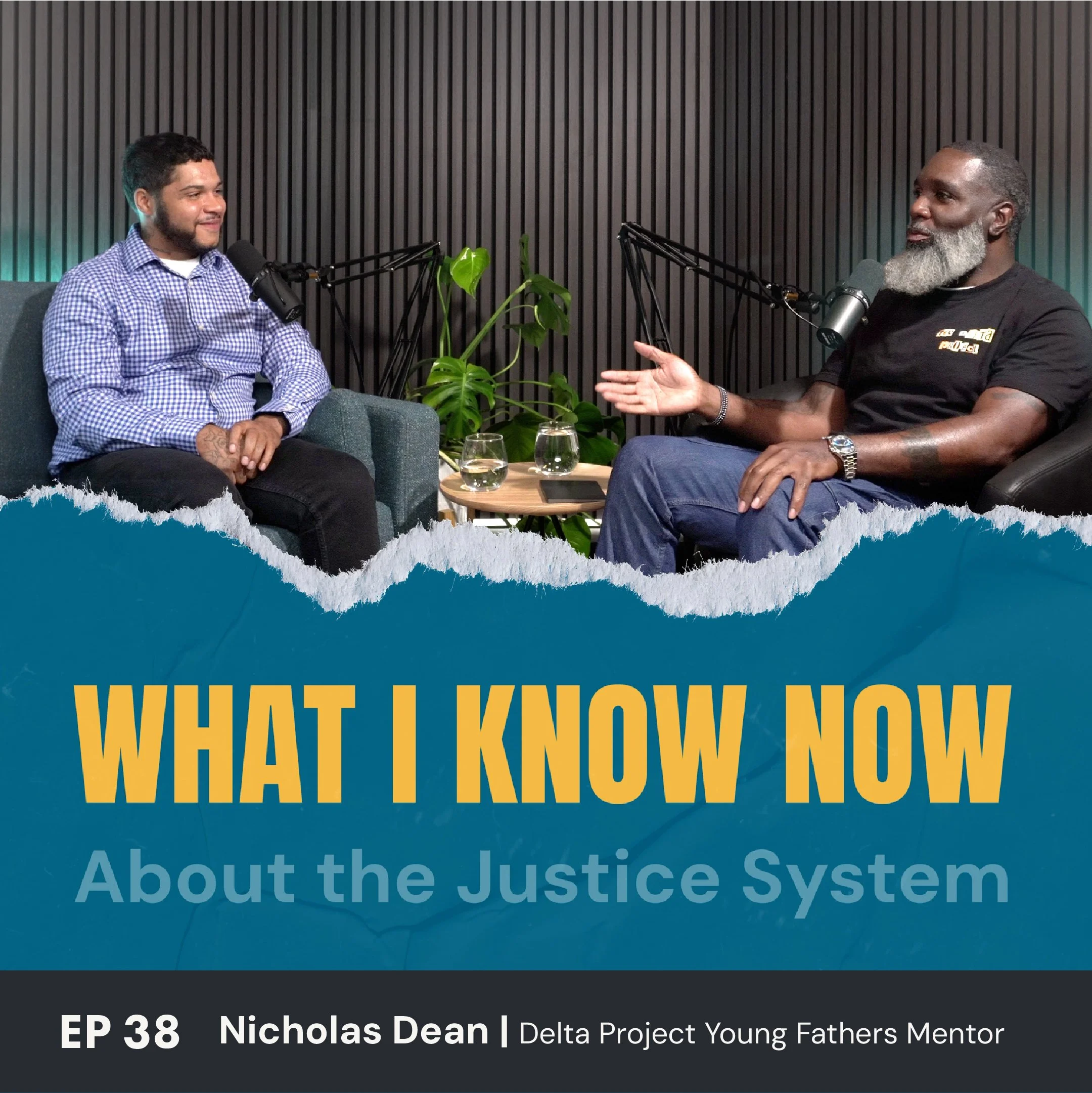
This week’s "What I Know Now" episode launches Season 3 with an unfiltered look at visibility for young people and families affected by the justice system. Nicholas Dean’s story begins inside juvenile detention at 16, but this is not a tale about incarceration—it’s about reclaiming voice, agency, and dignity. Through adversity and loss, including heartbreak over child custody and navigating Friend of the Court, Nicholas became determined not to be defined by systems designed to keep him invisible.
Now a mentor with The Delta Project, Nicholas stands beside new generations of young fathers. He demonstrates that being present, honest, and persistent—showing up even when the odds seem impossible—is a form of radical visibility. His approach to mentorship isn’t about talking at others, but walking alongside them—making space so they can own their stories and shape their futures.
Season 3’s focus on visibility means honoring the experiences that shape us, and challenging systems to do better. This episode sets the tone for stories that don’t just expose hardship, but lift up hope, resilience, and real-life tools for navigating change. Nicholas’s journey is visibility in action—a blueprint for others to not give up, to try, and to be seen.
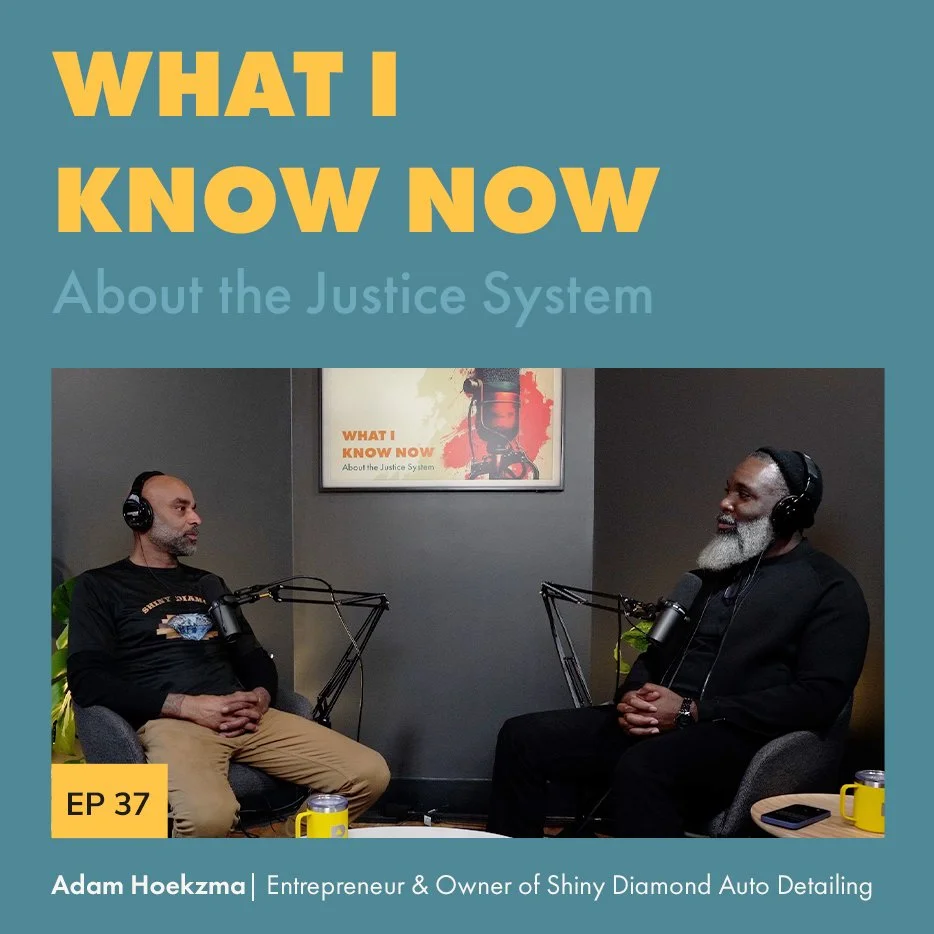
The episode explores Adam Hoeksma’s journey from a young car enthusiast in Grand Rapids to owner of Shiny Diamond Auto Detailing, highlighting his deep-rooted passion for detailing, shaped by family support and personal drive. Adam Hoeksma reflects on fatherhood across generations, sharing how his roles as a father and grandfather, combined with his diverse upbringing, inform both his business philosophy and commitment to legacy. The discussion addresses the realities of reentry after incarceration, as Adam Hoeksma candidly recounts his own experience with the justice system, challenging stereotypes about returning citizens and offering practical advice on rebuilding through resilience, community networking, and communication. The episode also delves into the importance of mentorship, community engagement, and creating supportive spaces for young people navigating the juvenile justice system. Through personal anecdotes, Adam Hoeksma and Cole Williams underscore the value of balance, rest, and listening—both in business and life—as essential lessons for anyone seeking to create lasting change for themselves and their communities.
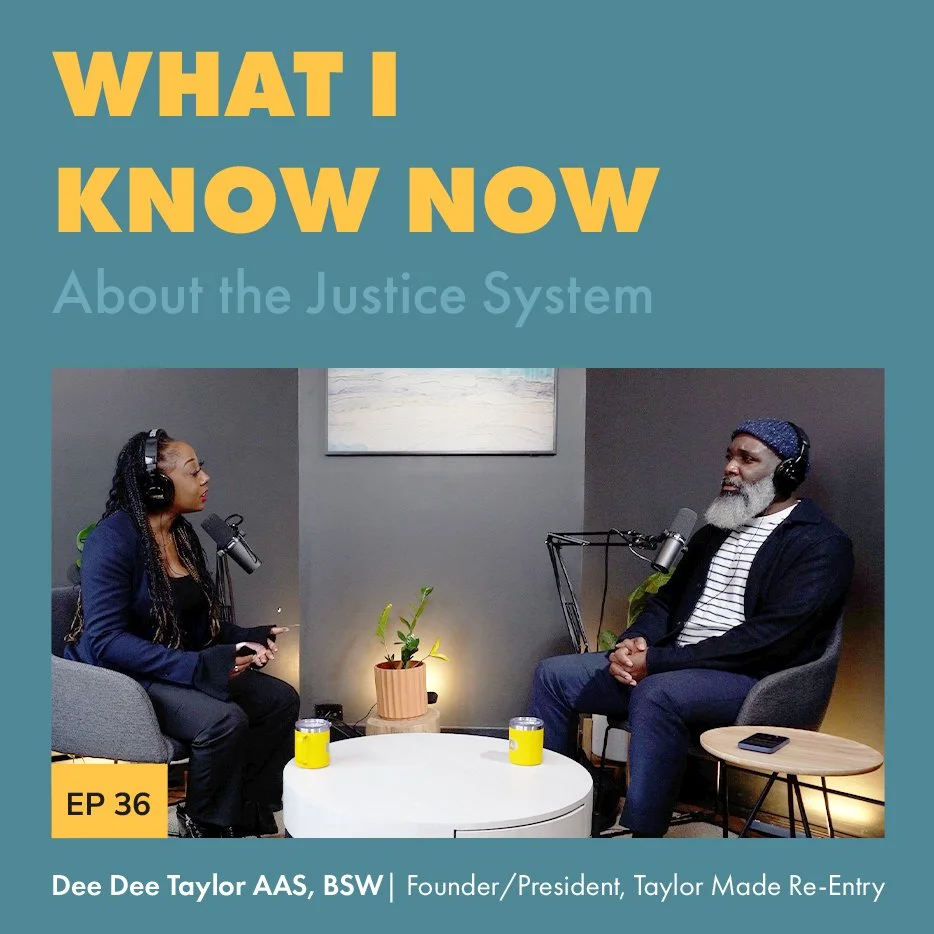
The episode explores Dee Dee Taylor's personal journey and her commitment to reimagining reentry support for those leaving incarceration. She shares how her early exposure to the criminal justice system, shaped by her father's incarceration, influenced her to found Taylor Made Re-Entry, a nonprofit focused on tailored resources for returning citizens in Michigan. The conversation delves into the systemic gaps in reentry services, the importance of individualized support, and the roles of poverty and access in recidivism. Dee Dee Taylor also reflects on the deep impact of her sister Breonna Taylor’s death and her unique approach of collaborating with law enforcement for systemic change. Throughout, the discussion emphasizes the collective burden incarceration places on families, the power of healing, and the courage it takes to seek help, advocating for compassion and community-driven solutions for successful reintegration
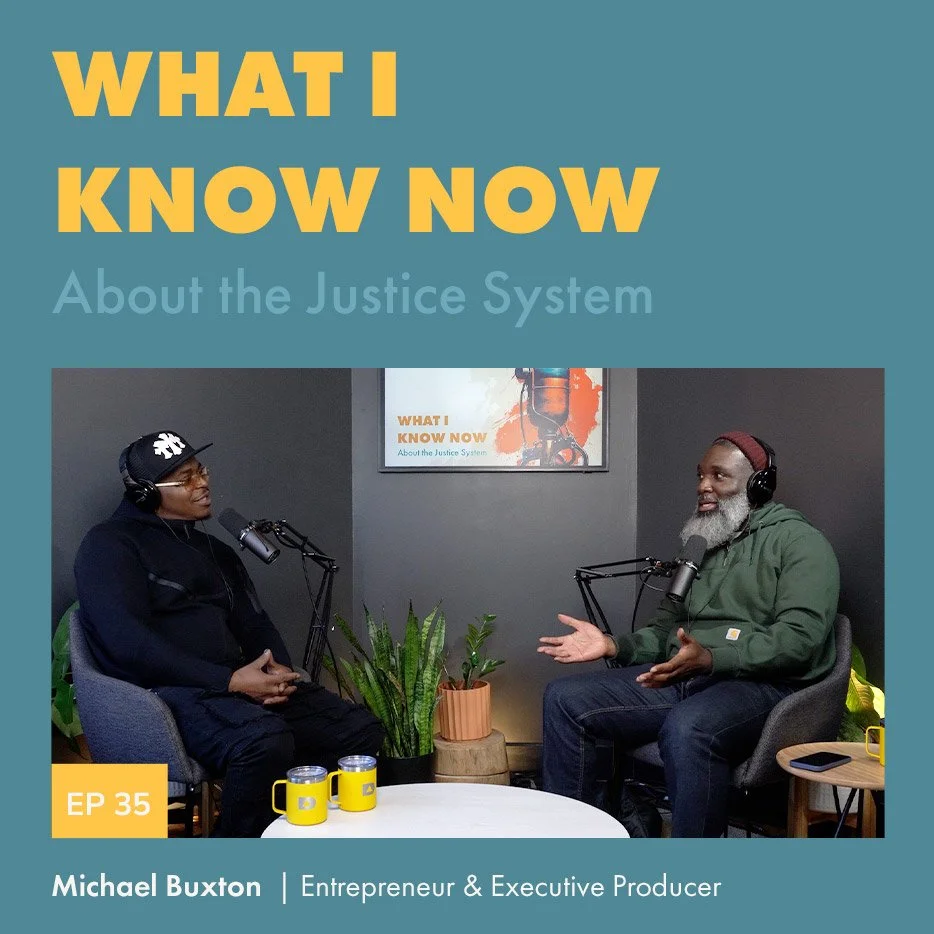
Michael Buxton shares how growing up between poverty, instability, and the streets led him from promising student-athlete to incarceration at a young age. In conversation with Cole Williams, he reflects on accountability, fatherhood, and the relationships that helped him rebuild his life—and why authentic mentorship and opportunity matter for youth trying to break the same cycles.
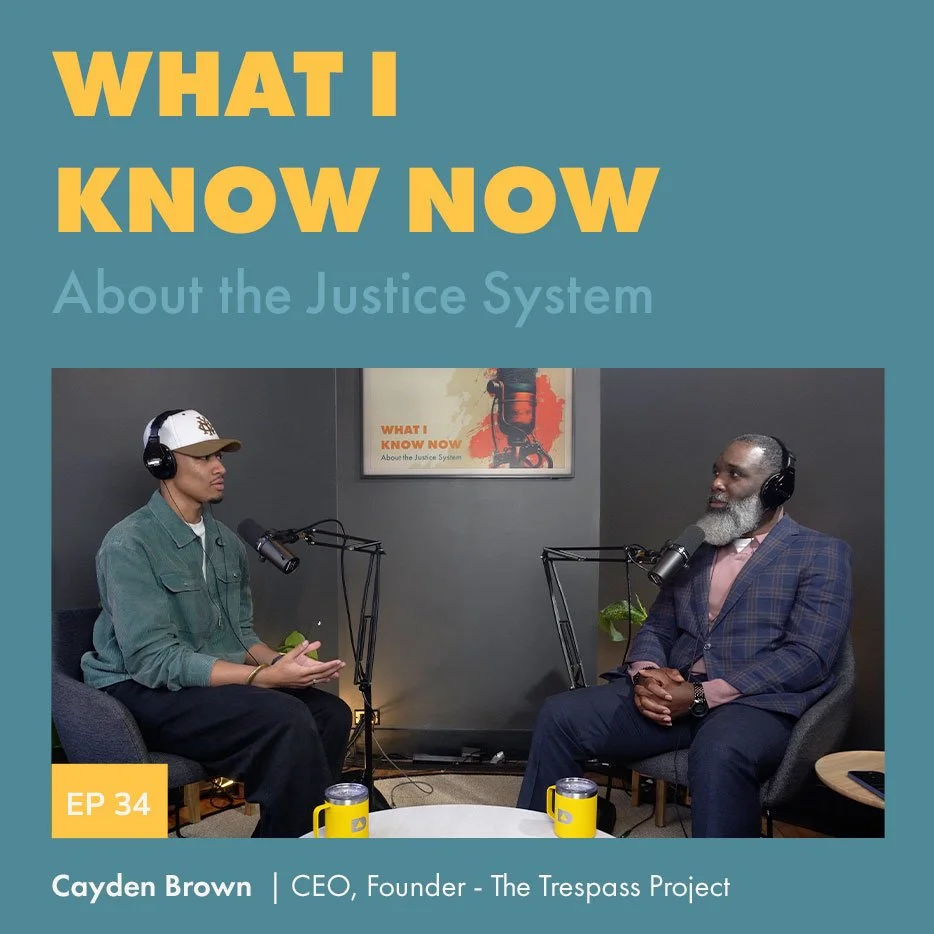
Cayden Brown reflects on going from a child unheard in the courtroom to a national advocate for youth voice and juvenile justice reform. In conversation with Cole Williams, he shares how lived experience shaped programs like Teen Court and why empowering young people to be seen, heard, and trusted can change the direction of their lives.
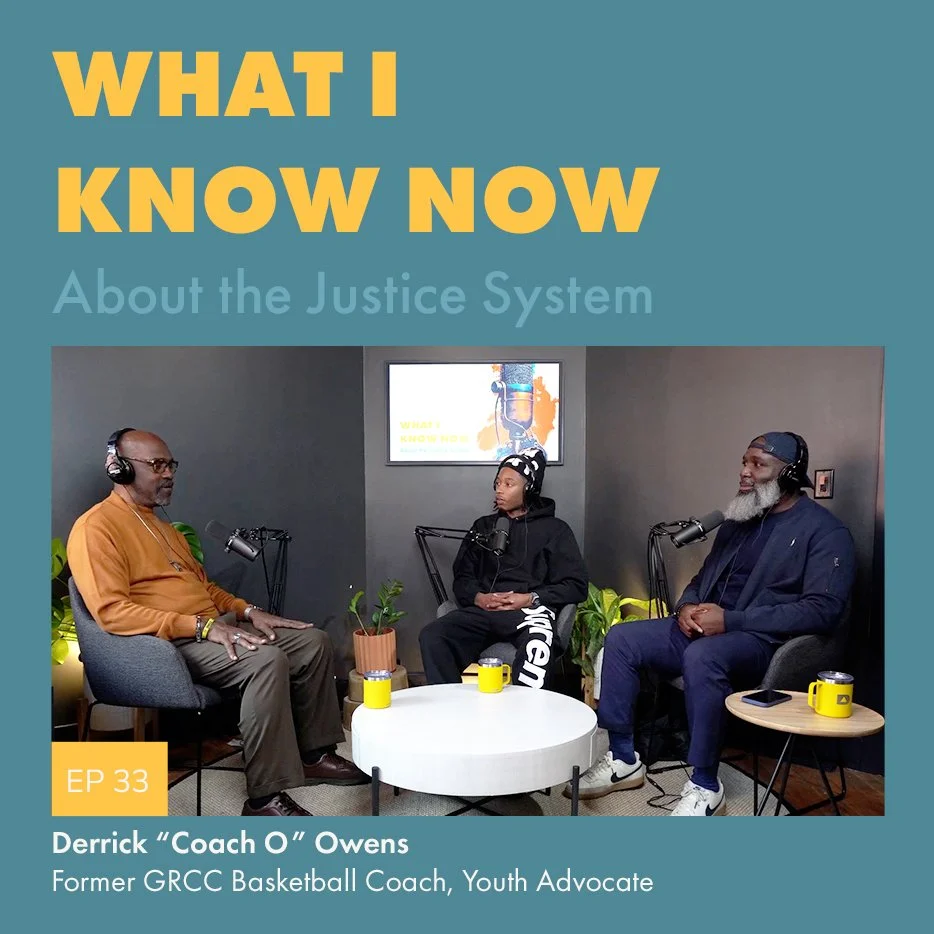
Coach O reflects on growing up in Detroit surrounded by instability, foster care, and incarceration—and how mentorship and basketball helped shape a different future. In conversation with Cole Williams and Nick Williams, he shares why accountability, respect, and authentic connection are essential for young people and fathers trying to break generational cycles.
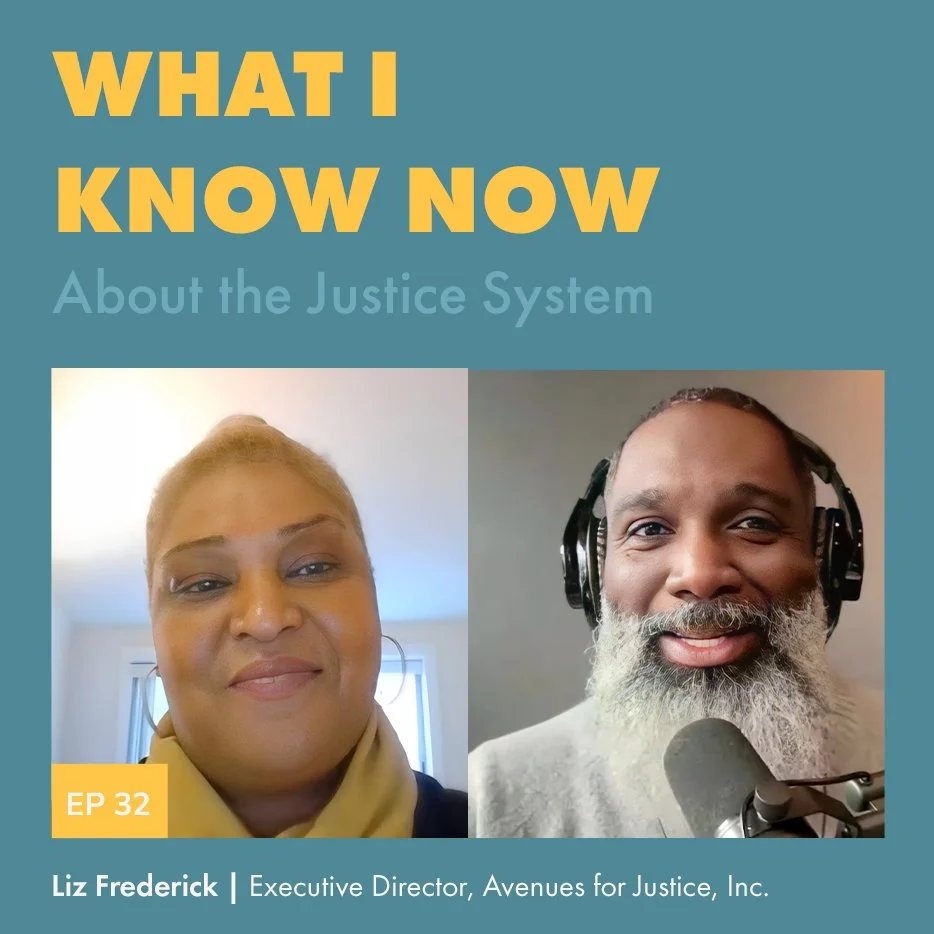
Liz Frederick shares how Avenues for Justice is creating alternatives to incarceration through mentorship, advocacy, and long-term community support for youth in New York City. In conversation with Cole Williams, she reflects on the generational impact of incarceration, the importance of lived experience, and why real change begins with relationships—not punishment.
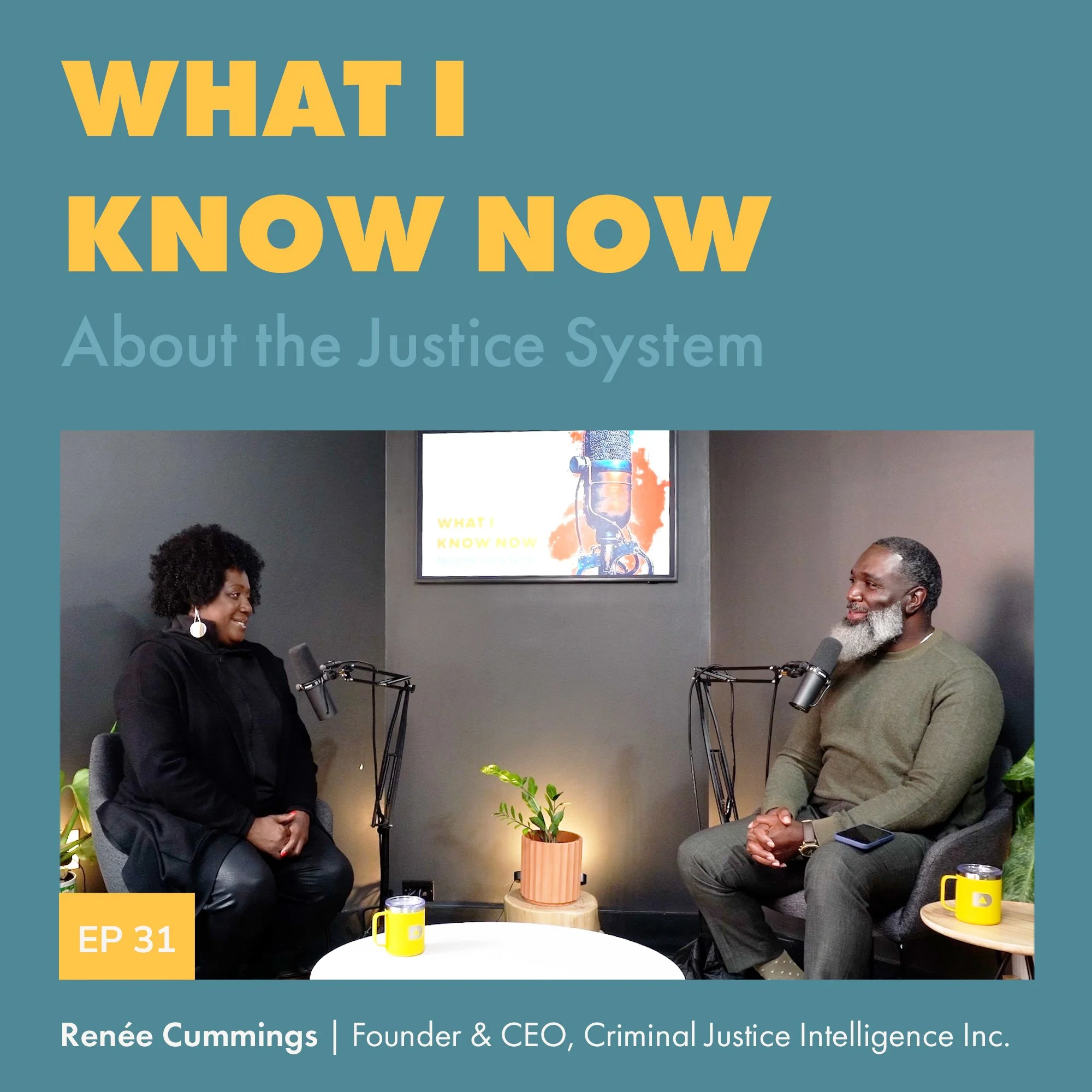
Renee Cummings explores how artificial intelligence, predictive policing, and digital data are reshaping the future of juvenile justice. In conversation with Cole Williams, she challenges listeners to consider who technology protects, who it harms, and how AI can be used to create more human-centered systems for young people.
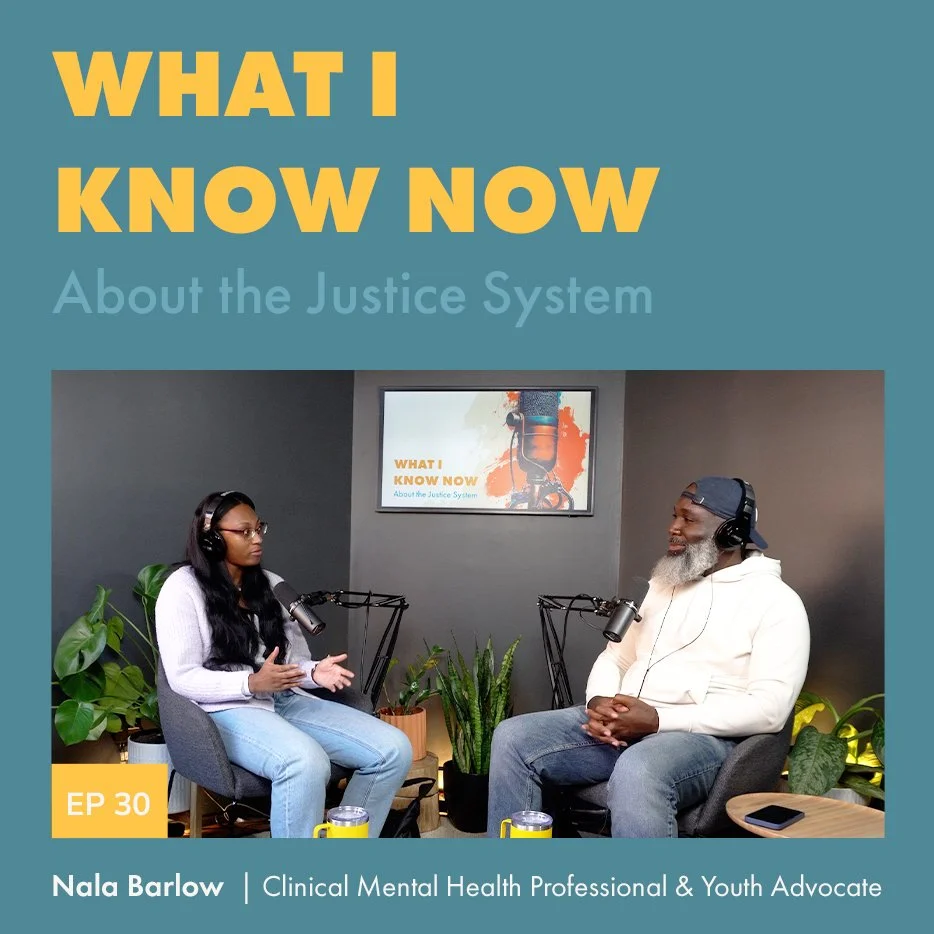
Nala Barlow reflects on growing up surrounded by instability, homelessness, and the weight of adult responsibilities at a young age—and how mentorship, athletics, and education helped change the direction of her life. In conversation with Cole Williams, she shares how those experiences now shape her work supporting youth in juvenile detention and why healing begins when young people feel seen, valued, and loved.
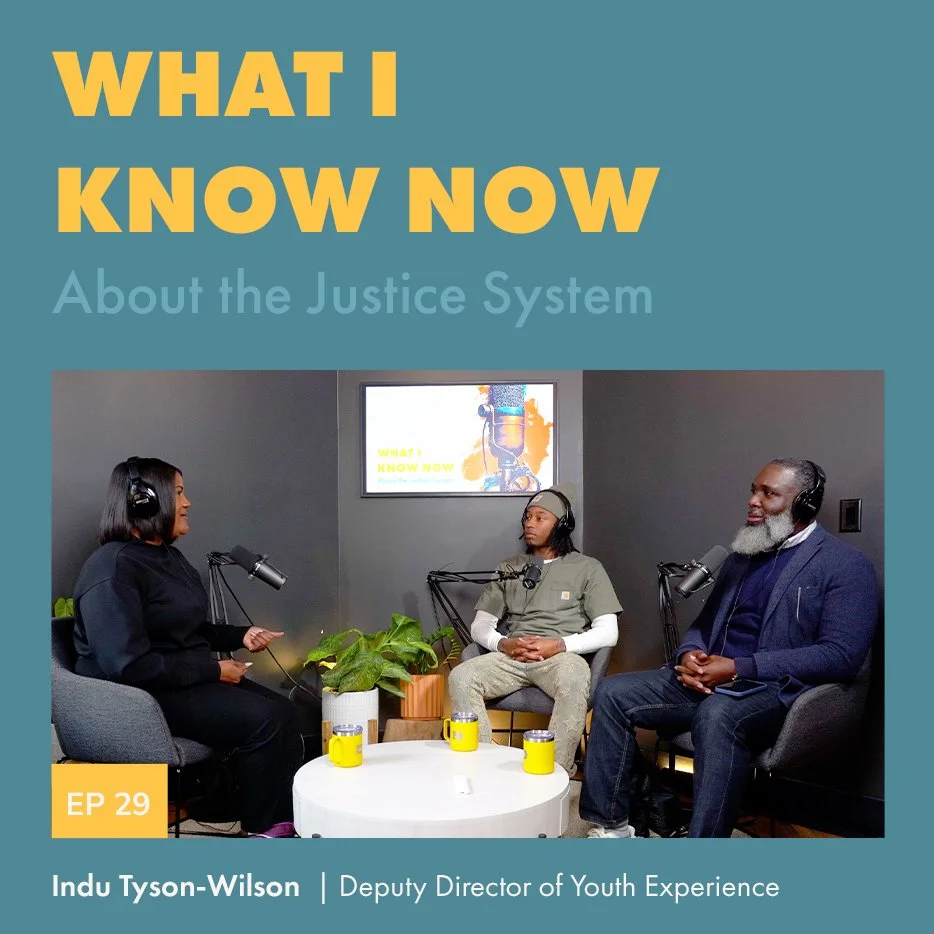
Indu Wilson shares her approach to juvenile justice at the Wayne County Juvenile Detention Facility, where compassion, accountability, and trauma-informed care are reshaping how youth experience detention. In conversation with Cole Williams and Nick, she reflects on the power of mentorship, community support, and treating system-involved youth as children worthy of dignity, opportunity, and hope.