Bridging Gaps in Re-Entry: Empathy, Access, and “Taylor”-Made Solutions for Returning Citizens
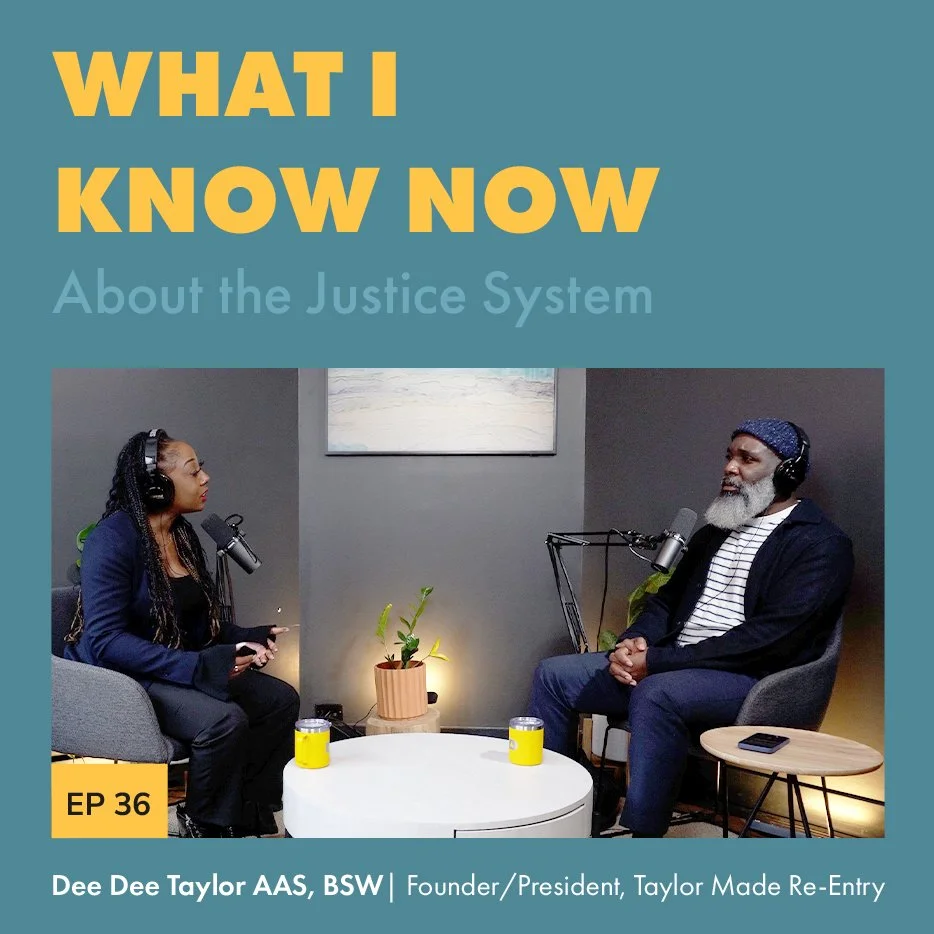
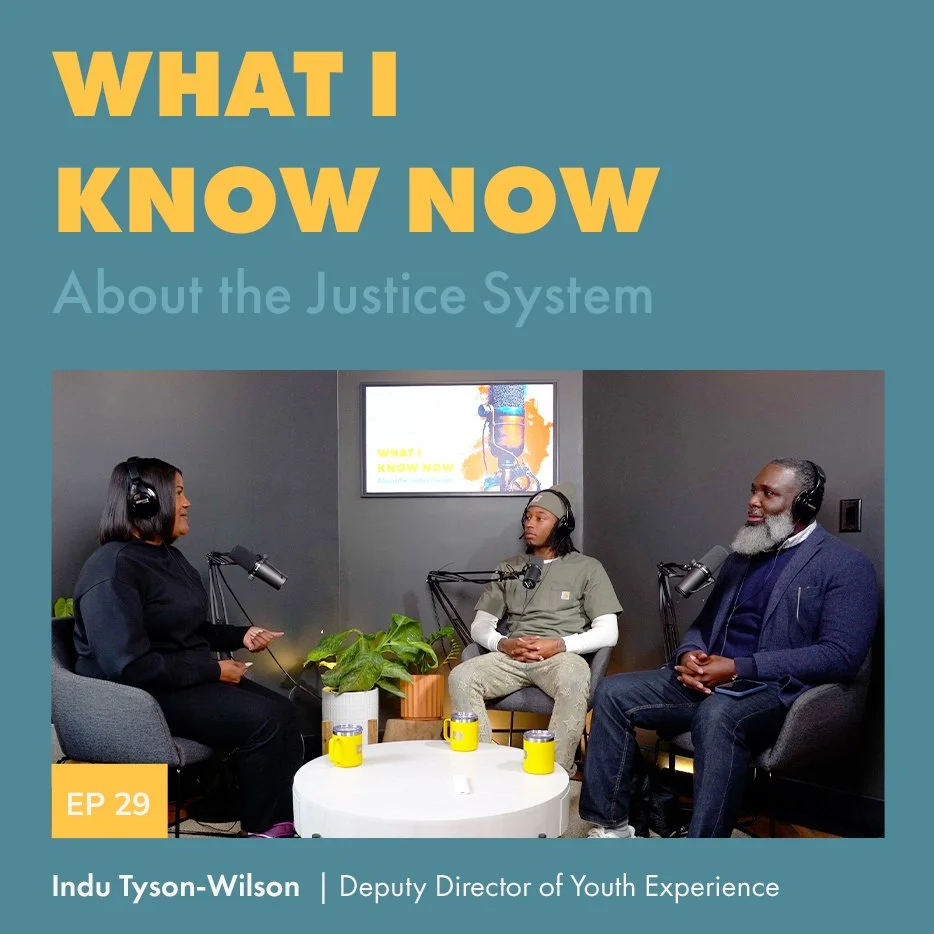
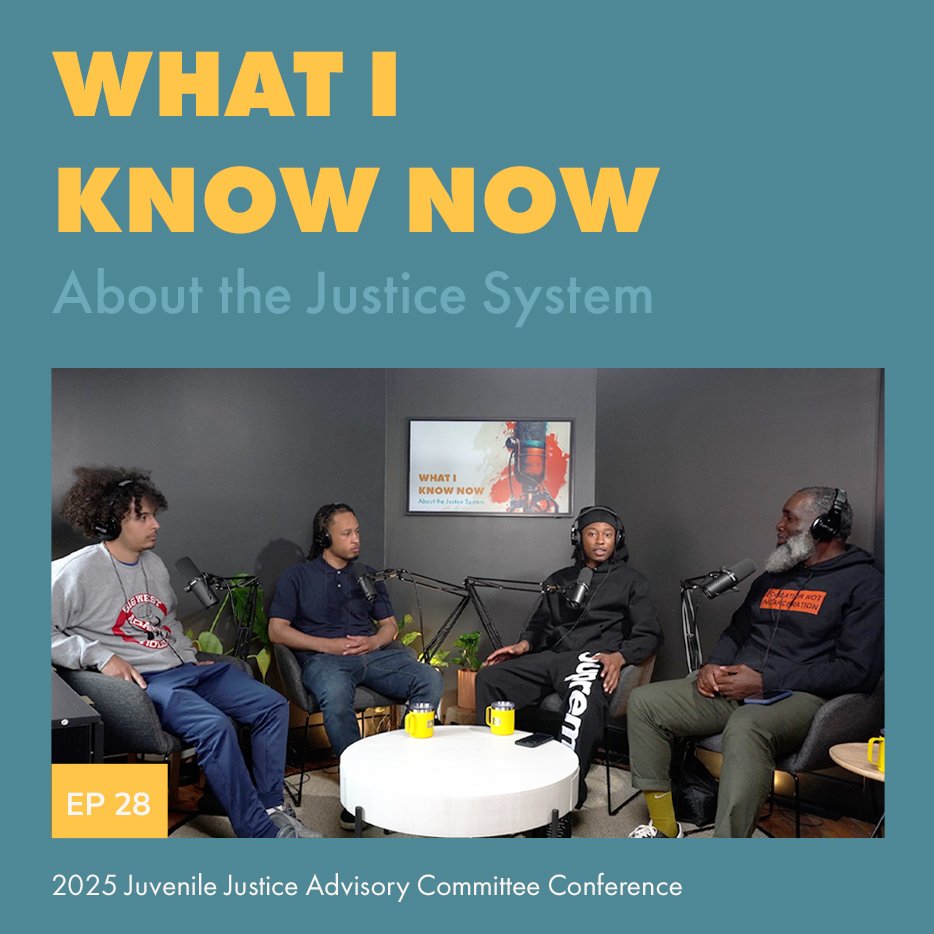
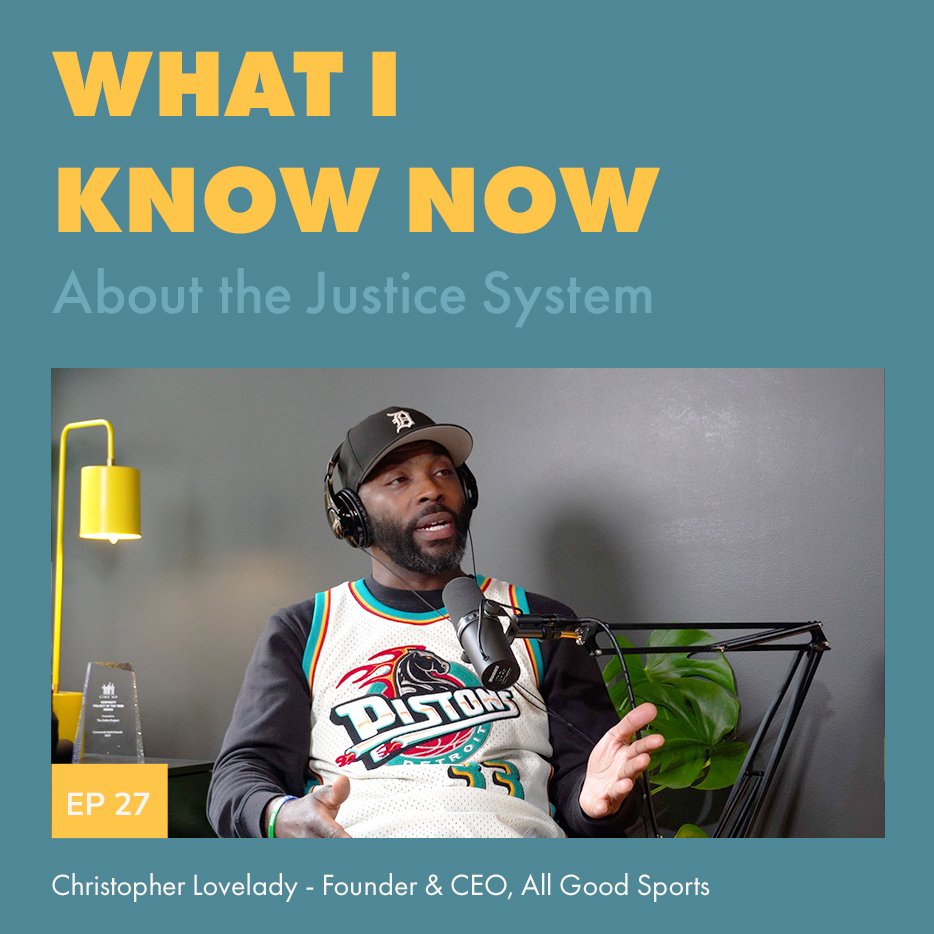
In this special episode of What I Know Now, Cole Williams welcomes national leader and reentry advocate Dee Dee Taylor, founder of Taylor Made Re-Entry, for an in-depth look at the realities of the juvenile and criminal justice system. The conversation covers the struggles faced by formerly incarcerated individuals as they return home, highlighting the profound impact on families and entire communities.
Dee Dee Taylor shares personal stories that shaped her mission, including her experiences growing up with an incarcerated parent and the tragic loss of her sister, Breonna Taylor. She explains how these events fueled her determination to build systems of support, healing, and second chances for returning citizens in Michigan and beyond.
Key topics discussed include:
The historical roots of mass incarceration and its disproportionate effect on Black and Brown communities
The challenges of recidivism and the crucial need for tailored reentry services: housing, employment, mental health support, and family reunification
The emotional, financial, and social burdens that incarceration places on loved ones
The importance of truth-telling, resilience, and building trust between returning citizens, their families, and support organizations
Innovative partnership approaches with law enforcement to promote understanding and reduce harm within impacted communities
Dee Dee details how Taylor Made Reentry provides comprehensive, individualized support for men and women reentering society, ensuring they have resources and opportunities to succeed, regardless of how long they've been incarcerated.
The episode is a call to action for greater compassion, policy reform, and community-driven solutions to help formerly incarcerated people thrive. For those impacted or supporting loved ones, Dee Dee offers hope, practical advice, and encouragement to seek help and healing.
Listen to Ep. 36 to learn more about how reentry programs are transforming lives, and why supporting second chances benefits us all.