
Stories belong
to the people
who live them.
Section Styles torn-paper-white
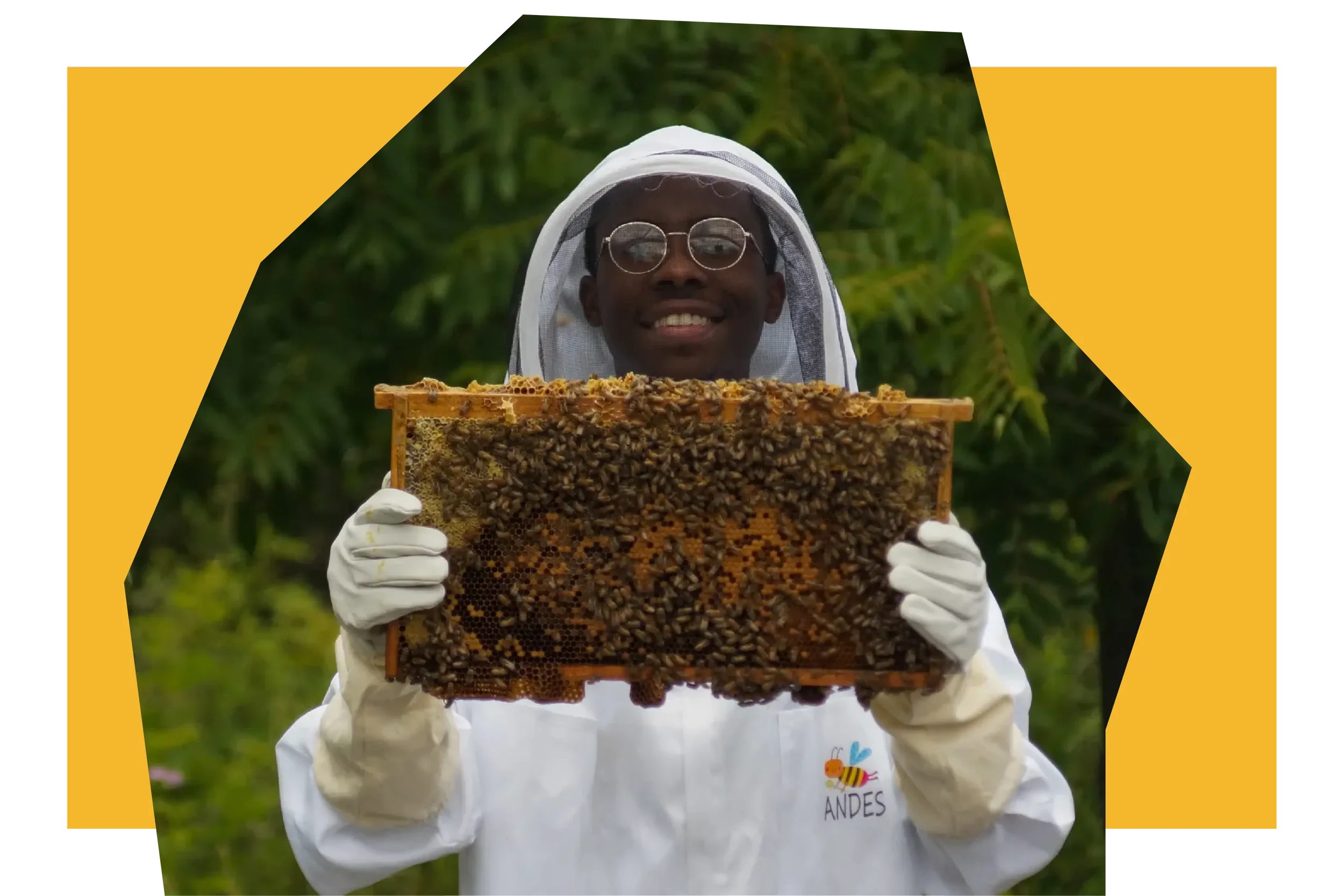
Delta uses storytelling to change what the public is willing to see — but the story is never ours to take. Young people, fathers, families, mentors, and partners should help shape what is shared, how it is shared, and whether it is shared at all.
our podcast
What changes when lived experience leads the conversation?
What I Know Now is The Delta Project’s podcast about the things people learn by living through systems, fatherhood, family change, incarceration, reentry, mentorship, advocacy, and growth. The goal is not to extract an inspiring ending. It is to listen closely enough for the experience itself to teach us something.
Section Styles gradient white-to-light-blue
Listen to the latest episode
Spread the Word
Put these conversations where they can do some good.
Share an episode with a young person, parent, teacher, probation officer, judge, mentor, policymaker, or friend who needs a different way into the conversation. A story does not solve a system. It can, however, make it harder to keep seeing people as abstractions.
Section Styles gradient light-blue-to-white
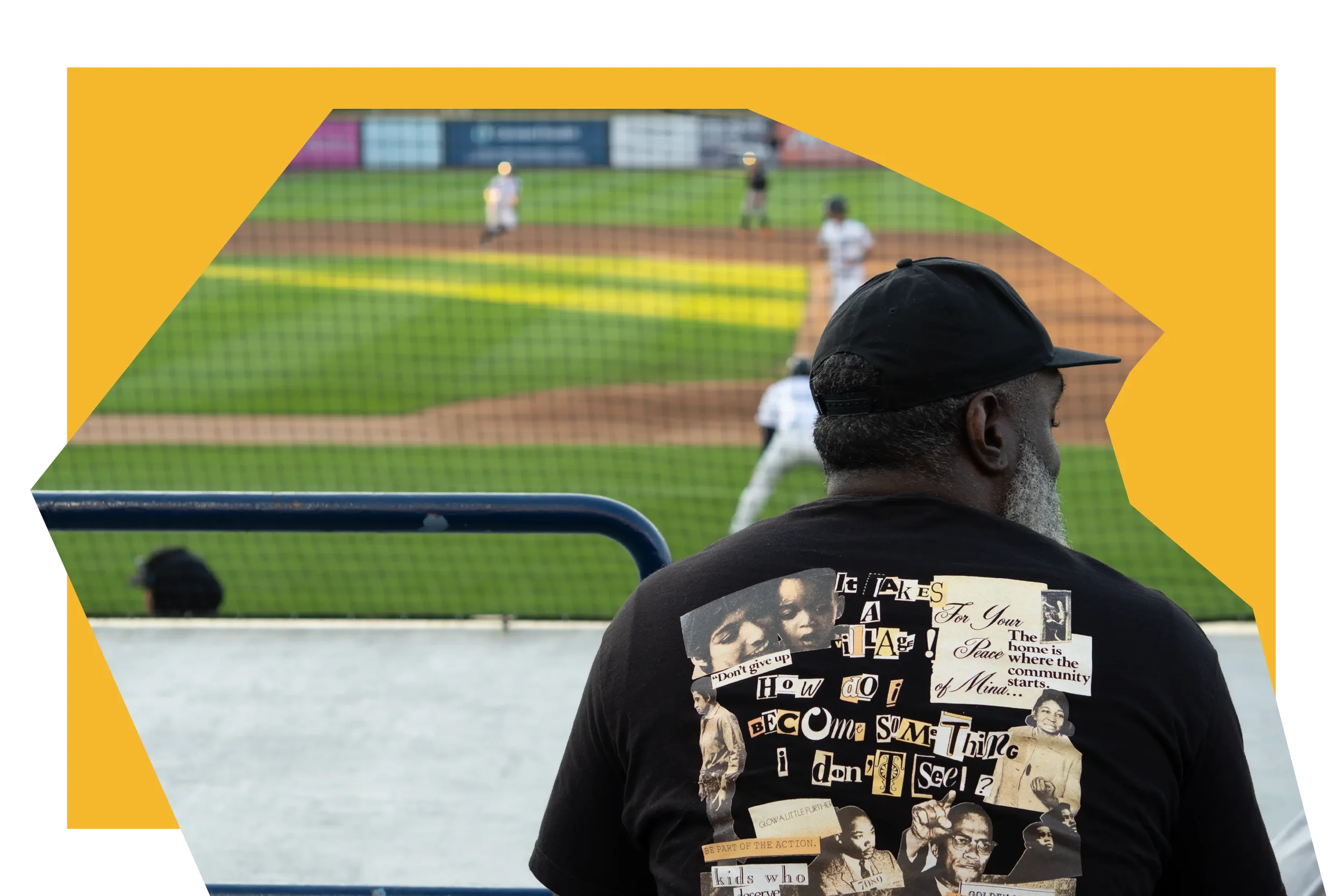
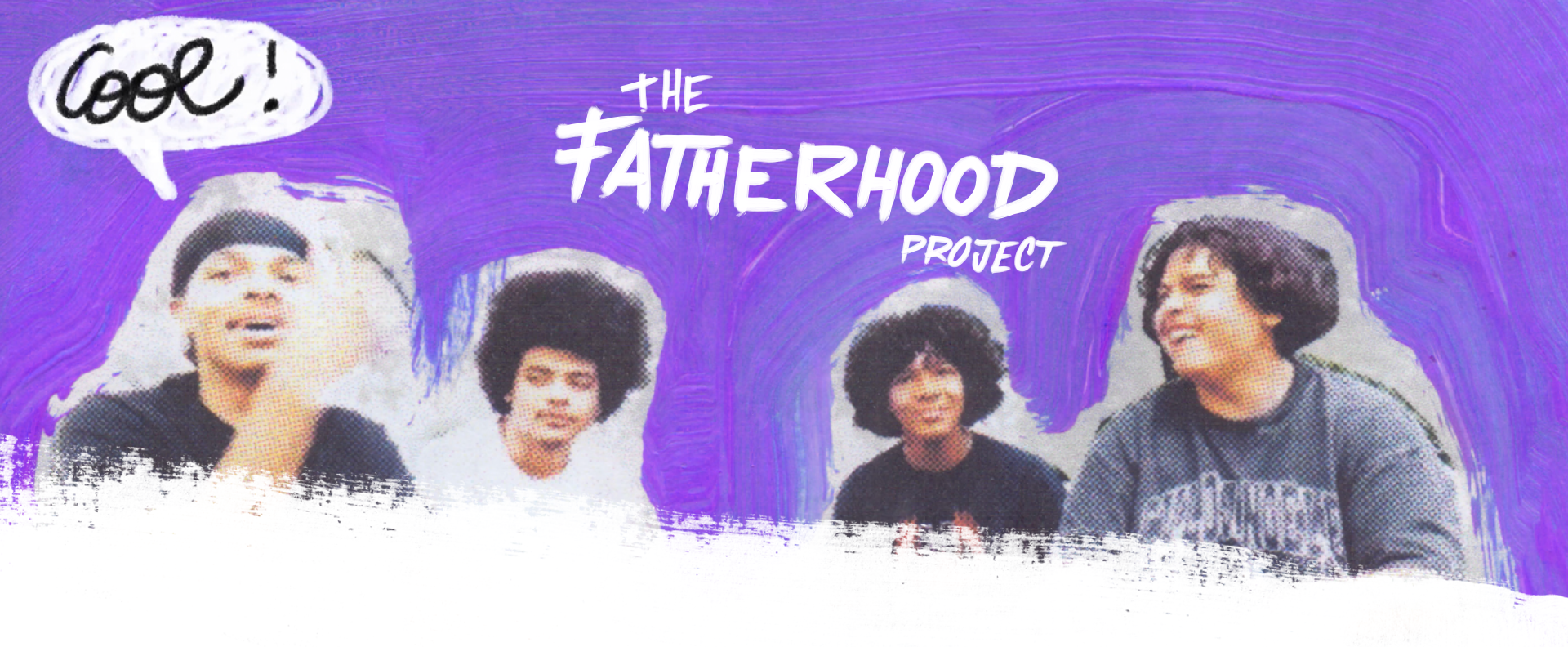
The Fatherhood Project is a documentary centered on Black fathers, their relationships with their children, and the gap between the lives people actually live and the stereotypes often placed on them. The film makes room for tenderness, accountability, struggle, presence, and the difficult work of staying connected in systems that can make connection harder.
It is not a film that claims one screening fixes anything. It is an invitation to see fathers more fully — and to continue the conversation after the screen goes dark.
Watch the trailer arrow_upward

The Delta Model
We share stories with
people, not about them.
change_history
We explain the purpose of the story and where it may appear before recording or publishing.
change_history
We ask for informed consent and make room for questions, boundaries, anonymity, or a decision not to participate.
change_history
We do not require someone to turn pain into a clean lesson or a finished “success” narrative.
change_history
We center the storyteller’s words and perspective, especially when a story involves a young person or family.
change_history
For sensitive stories, we build in a review step when appropriate so people are not surprised by how their experience is framed.
change_history
We are honest about what can be changed before publication and what may be difficult or impossible to fully retract once content has been publicly distributed.
These standards apply everywhere on the site — not only in the Media Room.

Screenings, Speaking, Conversations
Bring the conversation into the room.
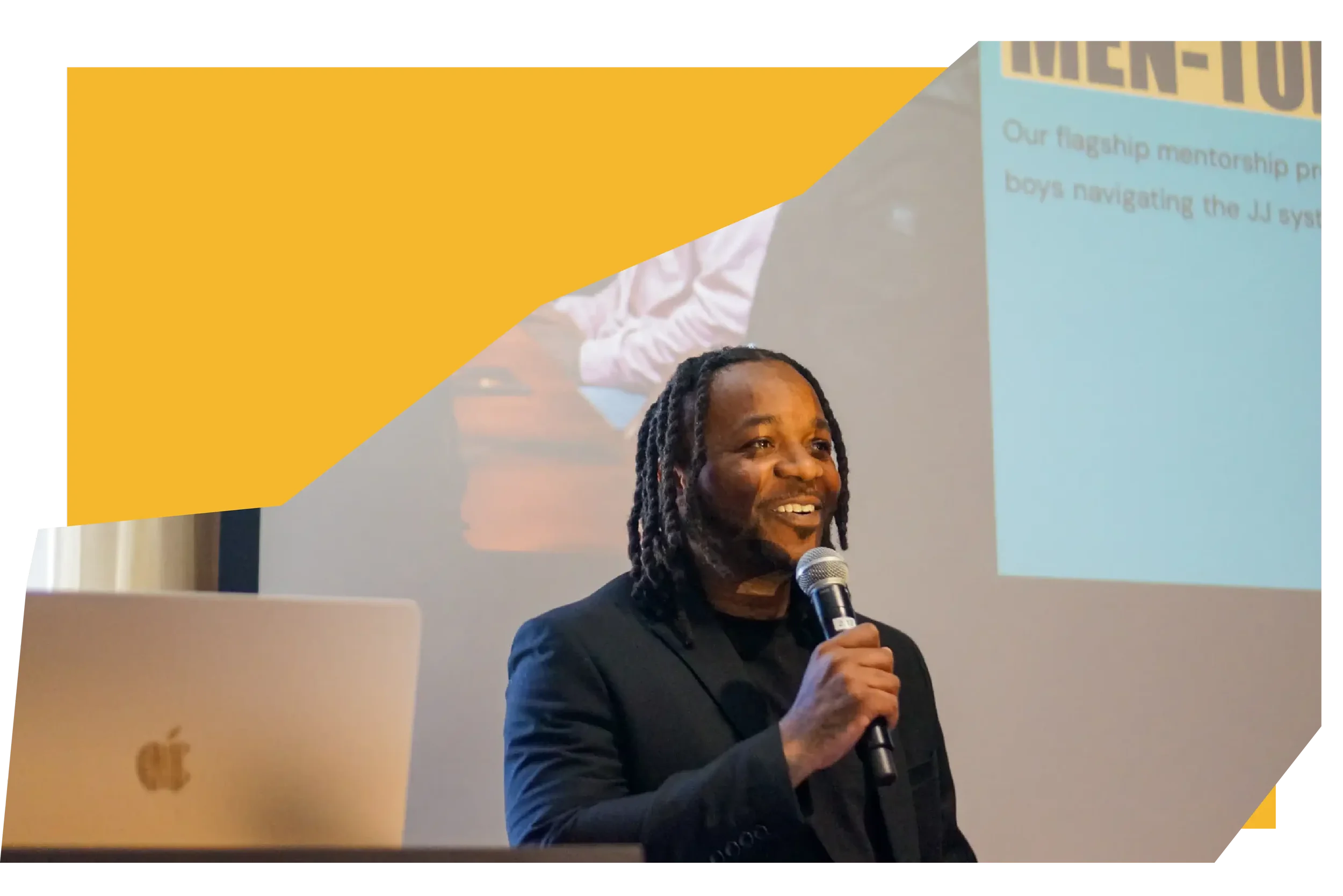
Host a screening, invite a lived-experience leader or speaker, or build a conversation for a school, workplace, community organization, or system partner. We can help shape the experience around the audience and the questions the room is ready to hold.
Press & Media Contact
Looking for background on The Delta Project, an interview, a speaker, or media assets? Our press kit includes approved organizational information, brand assets, and a media contact.
Media Contact:
Caton Vance
caton@thedeltaproject.co
Section Styles triangle-stack-center split-green-yellow full-width
Ways to Show Up & Support
Listen to the Podcast
Host a Screening
Share Your Story
Quisque iaculis facilisis lacinia. Mauris euismod pellentesque tellus sit amet mollis.