
The people living with a system should have a say in how it changes.
Delta’s advocacy starts close to the ground — with young people, fathers, families, mentors, and the realities they know by name. We carry those experiences into partnerships and policy conversations while working alongside organizations with research, legal, and systems expertise.
Section Styles torn-paper-blue-light-blue
What we’re working to change
Section Styles gradient-light-blue-to-white
Earlier Support
Too often, young people and families encounter meaningful support only after a situation has escalated. We want community-based help to be easier to reach before deeper system involvement becomes the default.
More Humane Decisions
Young people of color can be perceived as older, more dangerous, or less vulnerable than they are. Delta works to keep their humanity, age, context, and voice present in the rooms where decisions get made.
Stronger Family Pathways
Families navigating juvenile justice should not have to figure out every system, service, and next step alone. We support clearer connections between families and community resources.
Lived Experience at the Table
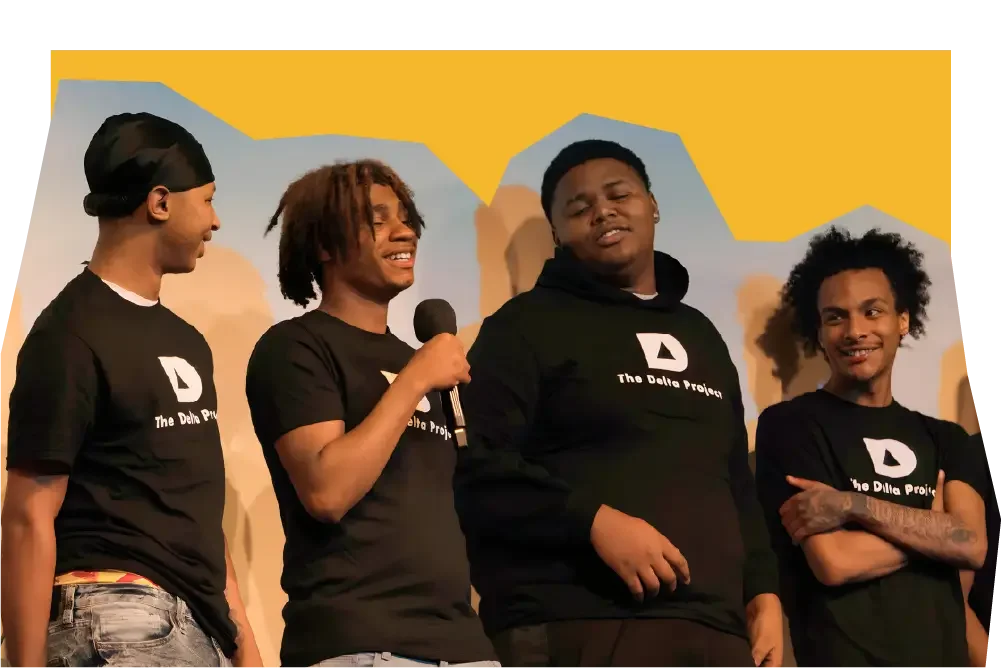
Policies about young people should not be built without young people and people who have lived through the system helping shape the conversation.
“I felt invisible until this group. Now I know what support feels like—it’s someone showing up every week, not giving up after I mess up, always listening.”

Current
Programs
Advocacy is stronger when it stays connected to real relationships.
The questions, barriers, and possibilities that show up in Delta’s programs help us understand what people are actually navigating.
-
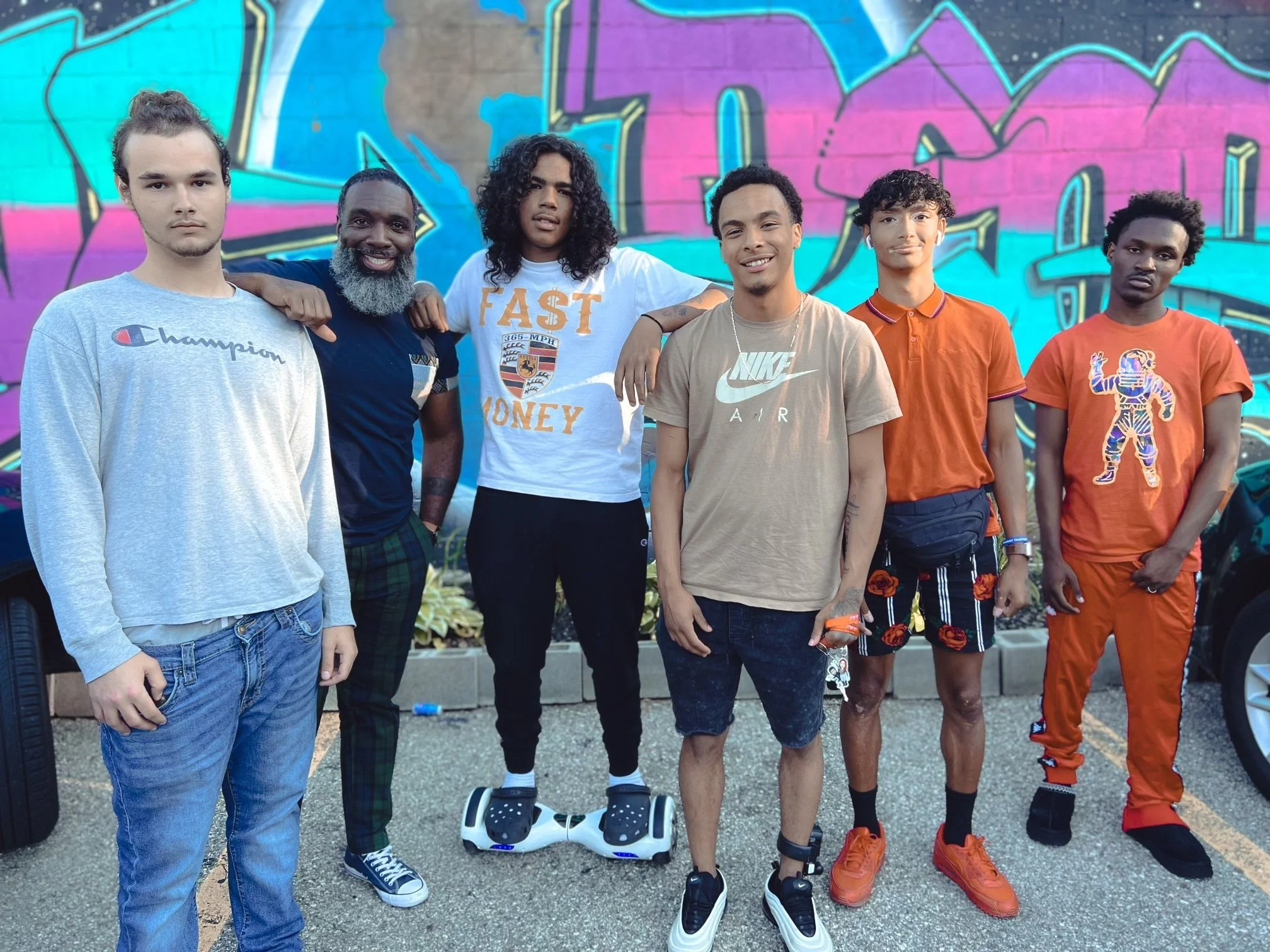
Boys to Men-Tors
Long-term mentorship and support for boys ages 10–17, centered on relationships, identity, emotional awareness, resilience, and future orientation.
-
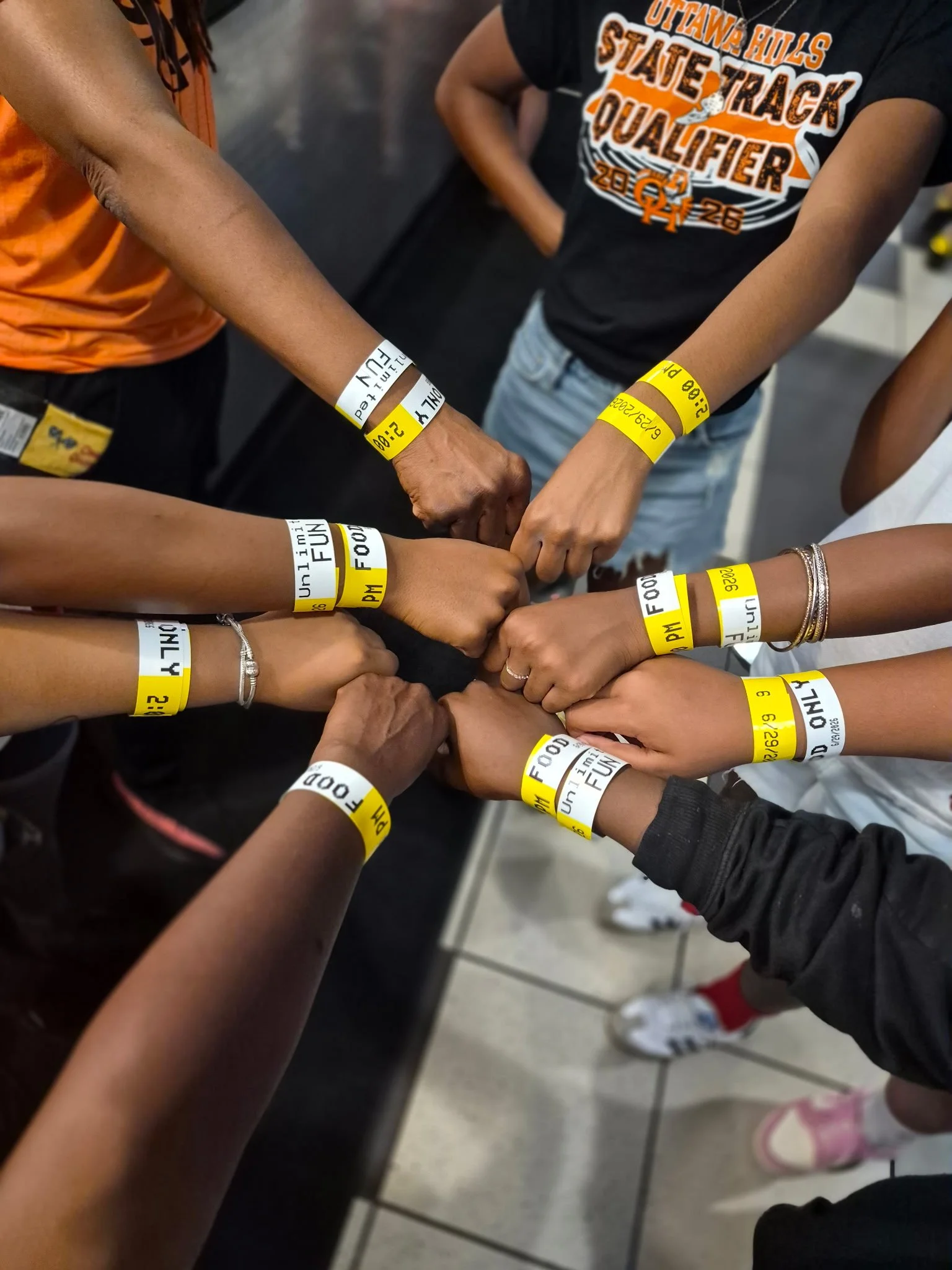
Healthy Connections
An asset-based program for young people ages 12–17 that builds social and emotional knowledge, coping tools, healthy boundaries, and stronger relationships.
-

Young Father's Initiative (Y-Fi)
An evidence-informed program for young fathers up to age 24 that explores identity, parenting, family relationships, wellness, co-parenting, legal awareness, and the realities of building a future for a family.
Here’s where our efforts are currently focused
-
Use Public Resources More Effectively
Help ensure Michigan’s Child Care Fund and related resources reach young people, families, and community organizations in ways that are useful on the ground.
-
Expand Diversion
Create more opportunities for young people to receive meaningful community-based support without being pulled deeper into the justice system.
-
Bridge Service Gaps for Families
Identify where families are falling between systems and strengthen the pathways connecting them to support.
From Relationship to Policy
Mentors and staff hear where systems become confusing, inaccessible, or harmful. Those patterns can inform the questions Delta asks, the positions it takes, and the partnerships it pursues.
Section Styles triangle-stack-center split-green-yellow full-width
From Story to understanding
A story cannot substitute for data, but it can show what a policy feels like in a person’s life. Delta uses storytelling to add human context to conversations that can otherwise become abstract.
TimelineFrom a simple question to real change
“There were a lot of times this didn’t work, or money was tight, or Delta went up against a brick wall. What I learned is: real change is slow, but if you keep showing up, people start listening.”
-
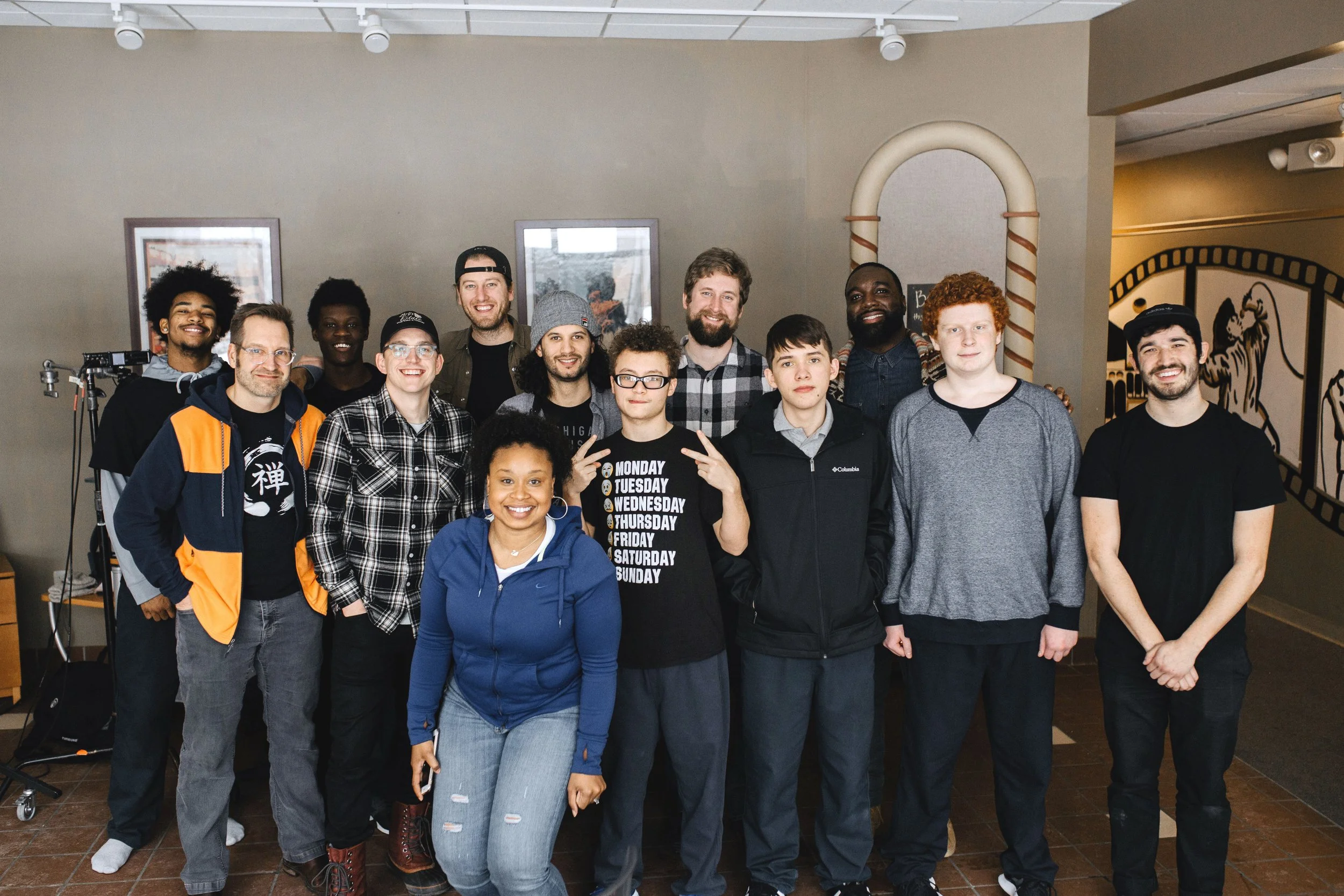
![Group of kids and team members]()
2017
The question that started it
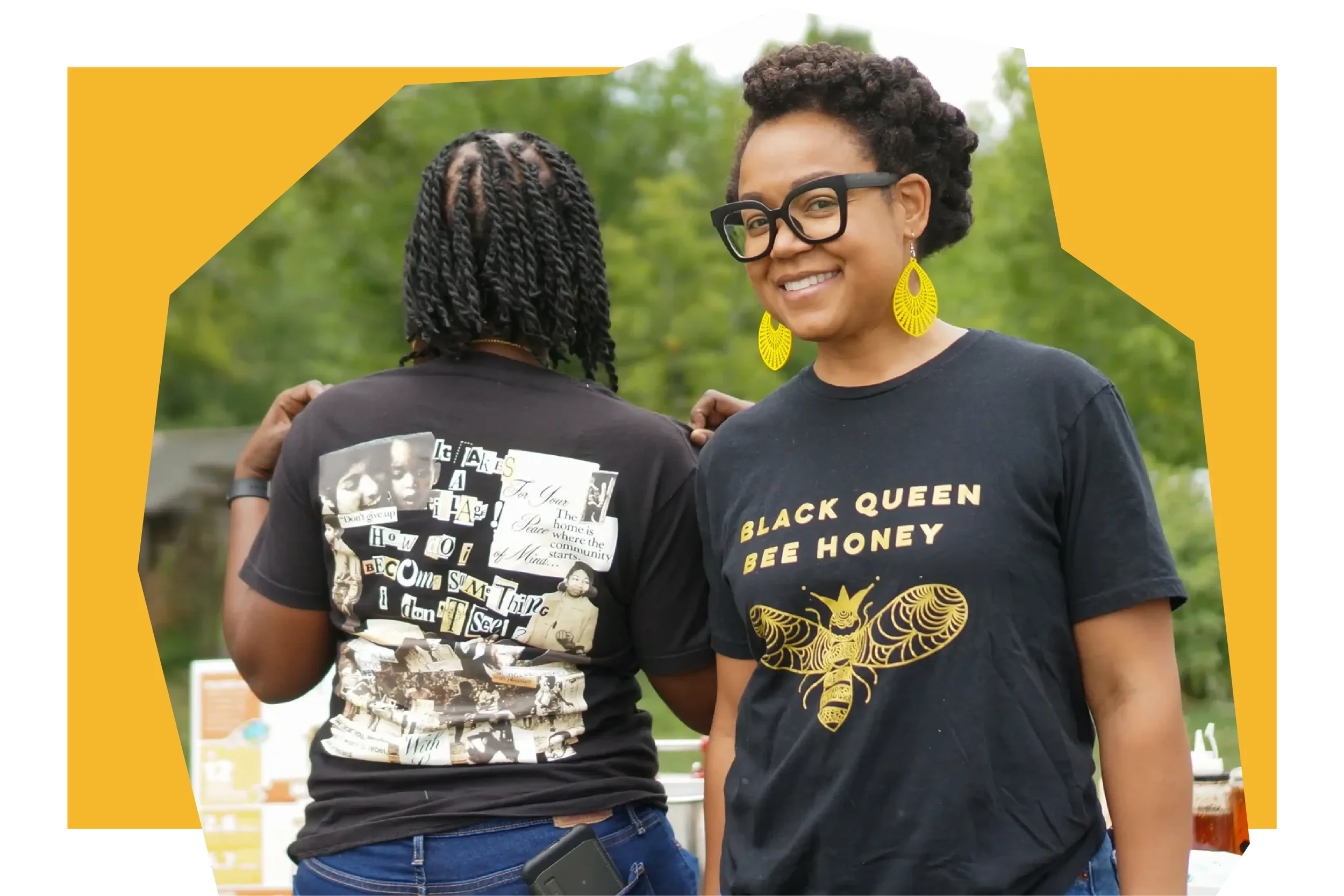
After teaching inside a juvenile detention facility from 2013–2017, Cole was challenged by a student asking, “How do I become something I don’t see?” Initial conversations around 2017 involved Joel, Eric and superintendent Stacy McGinnis. Youth in a residential program shaped the early identity and logo.
-
![two participants from the Conversations project]()
2019
Young people become storytellers
The Conversations Project created roles for justice-impacted young people to help produce interviews and tell their own stories. Earlier website outline dates this to 2019; meeting adds pre-incorporation youth-led identity context.
-
![Delta Project logo]()
2020
Becoming The Delta Project
Delta received 501(c)(3) recognition and formalized its nonprofit structure during the COVID-19 period. Youth involvement in its concept preceded incorporation.
-
![Cole Williams]()
2021 – 2023
Lived experience reaches policy tables
Cole participated in Michigan juvenile-justice task-force work, and the meeting connects that work with subsequent bipartisan juvenile-justice reforms. Avoid implying the organization alone caused the legislation.
-
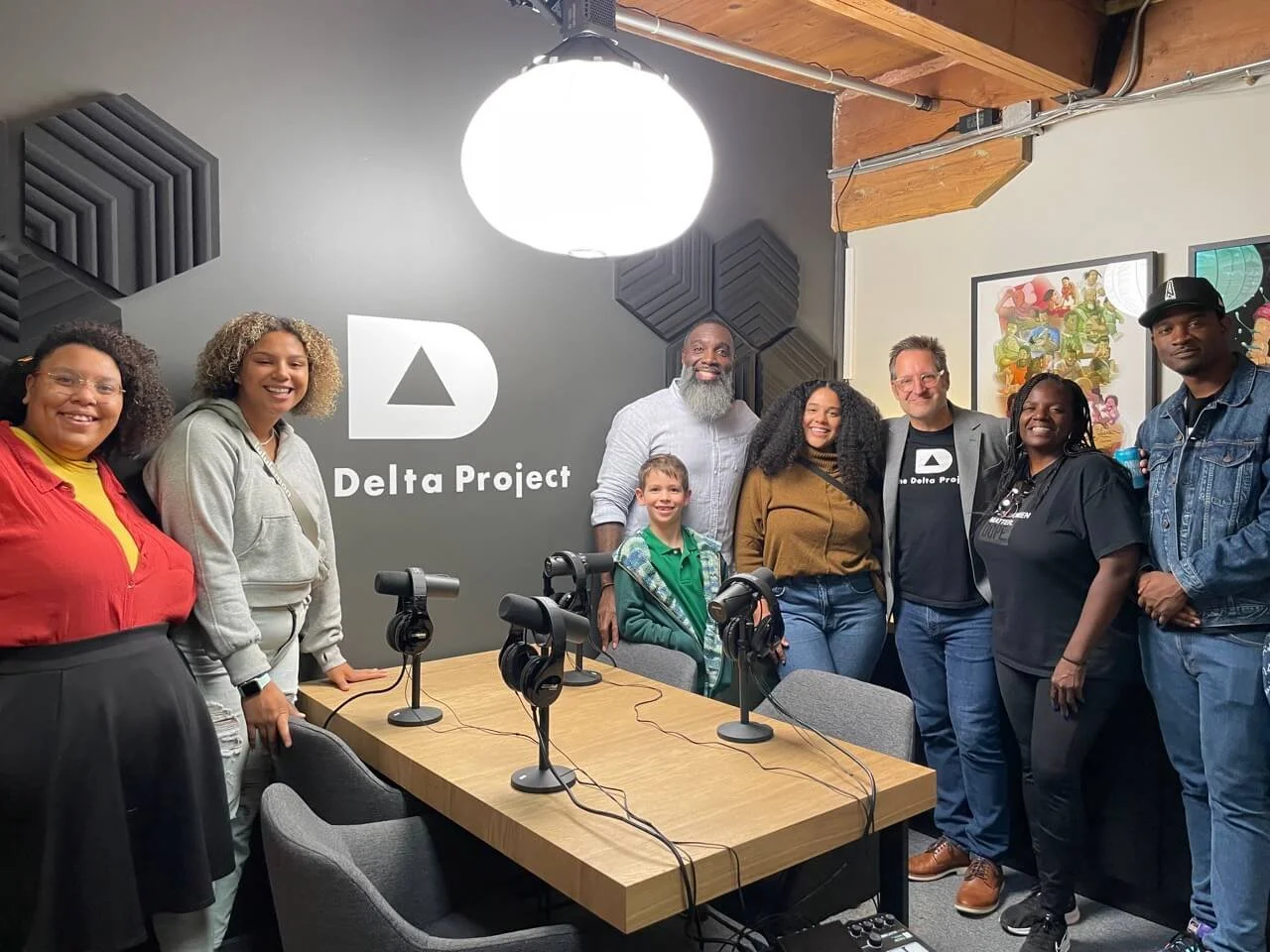
![The Delta project podcast studio]()
2023
What I Know Now Podcast Launches
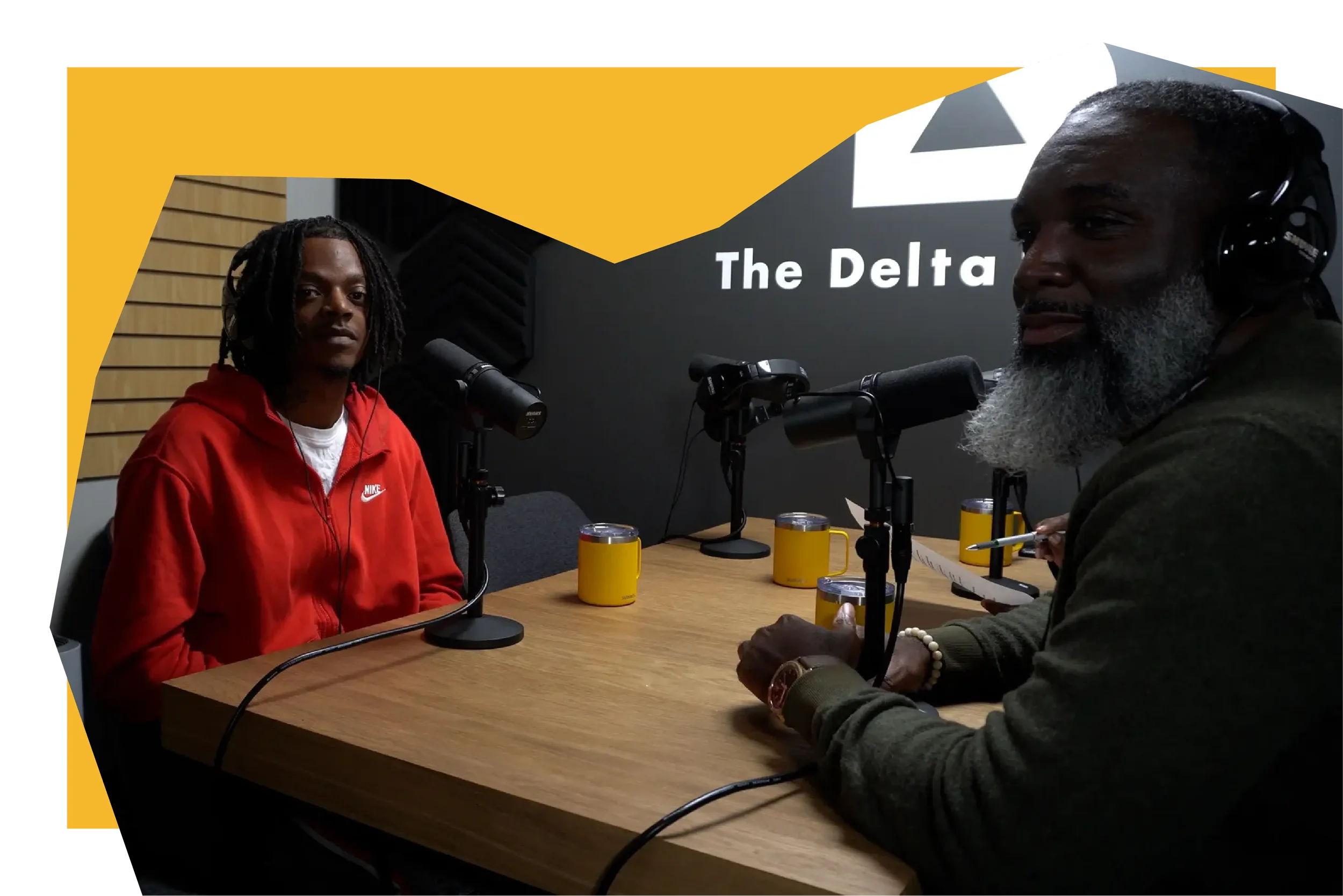
The podcast established a sustained platform for lived-experience, family, fatherhood and justice-system voices. Cole connects its visibility and advocacy with Delta’s capacity to join broader partnerships.
-
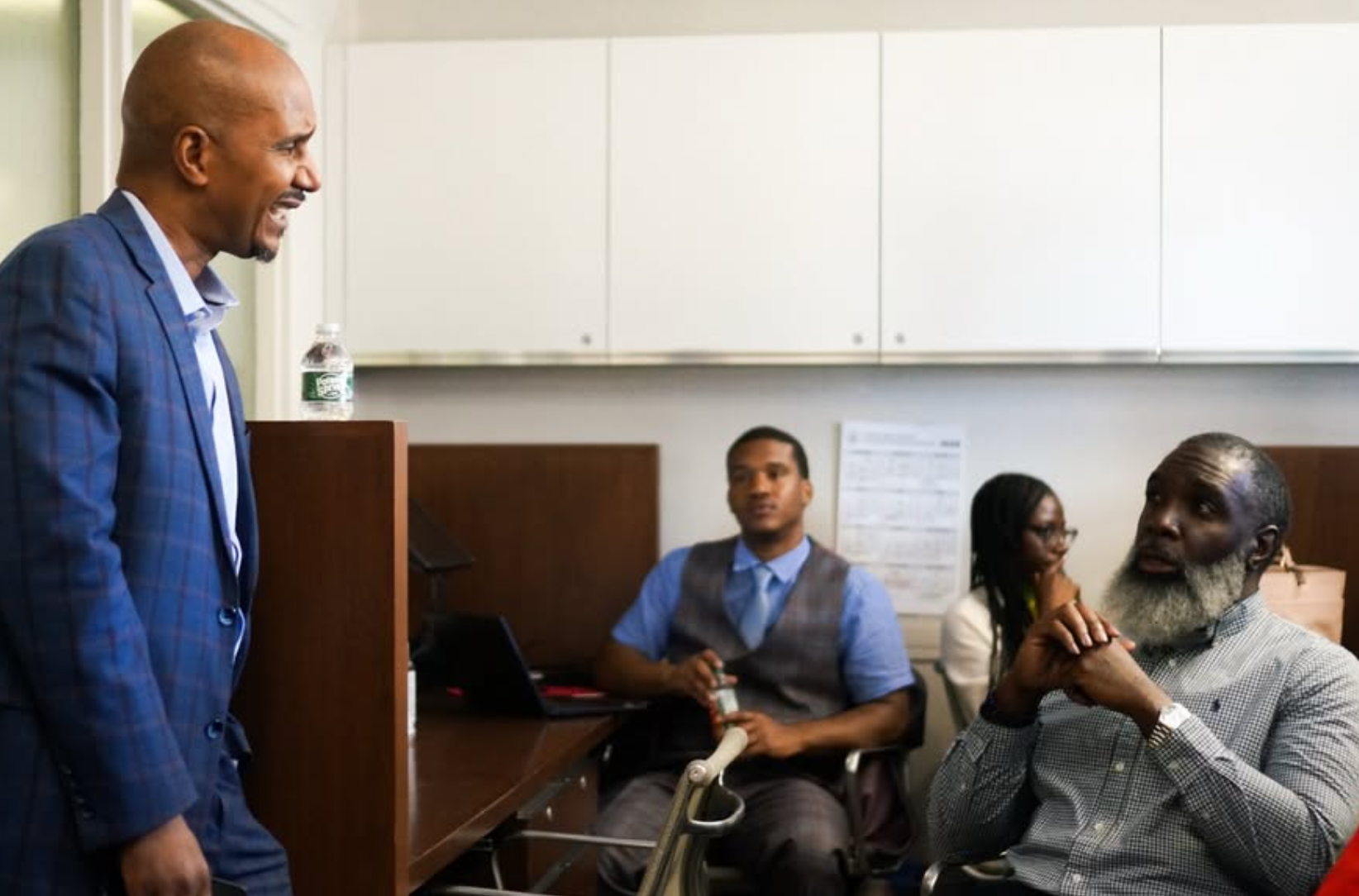
![Man in a blue suit speaking to a seated group in a meeting room]()
2026
Statewide coalition and Igniting Futures
Earlier outline describes Delta joining Michigan Center for Youth Justice and Wayne State University Center for Behavioral Health and Justice as coalition co-leads. Cole discussed a roughly $1 million partnership grant through Igniting Futures.



Stories from the system“When you bring lived experience to the table, you change not just policy, but possibility. So many times, hearing a young person speak in the room is what moved the adults to actually act.”
“In our facility, we invite Delta in to remind our staff and even other system players: when you lead with connection and consistency—not just discipline—you actually see youth change, not just cycle out.”
Help move the work forward.
Stay close to what Delta is learning, help fund sustained advocacy, or bring Delta into a partnership where lived experience and community perspective can strengthen the work.