Episode 05: Judge Kellen Dotson
Episode Summary
🎙️ Welcome to Episode 5 of the "What I Know Now" podcast, brought to you by The Delta Project. In this thought-provoking episode, hosts Cole and Joel sit down with Judge Kellen Dotson to dive deep into the intricacies of the criminal justice system and explore the transformative power of love, patience, and education within it.
*Episode Highlights:*
Kellen Dotson discusses the need for societal acknowledgment of the criminal justice system's faults and the importance of pushing for meaningful change.
He advocates for the perspective that criminal charges should not define a person's entire character and stresses the necessity of second chances.
Cole, Joel, and Kellen highlight the humanity behind the legal roles and address the disparities faced by people of color in the justice system.

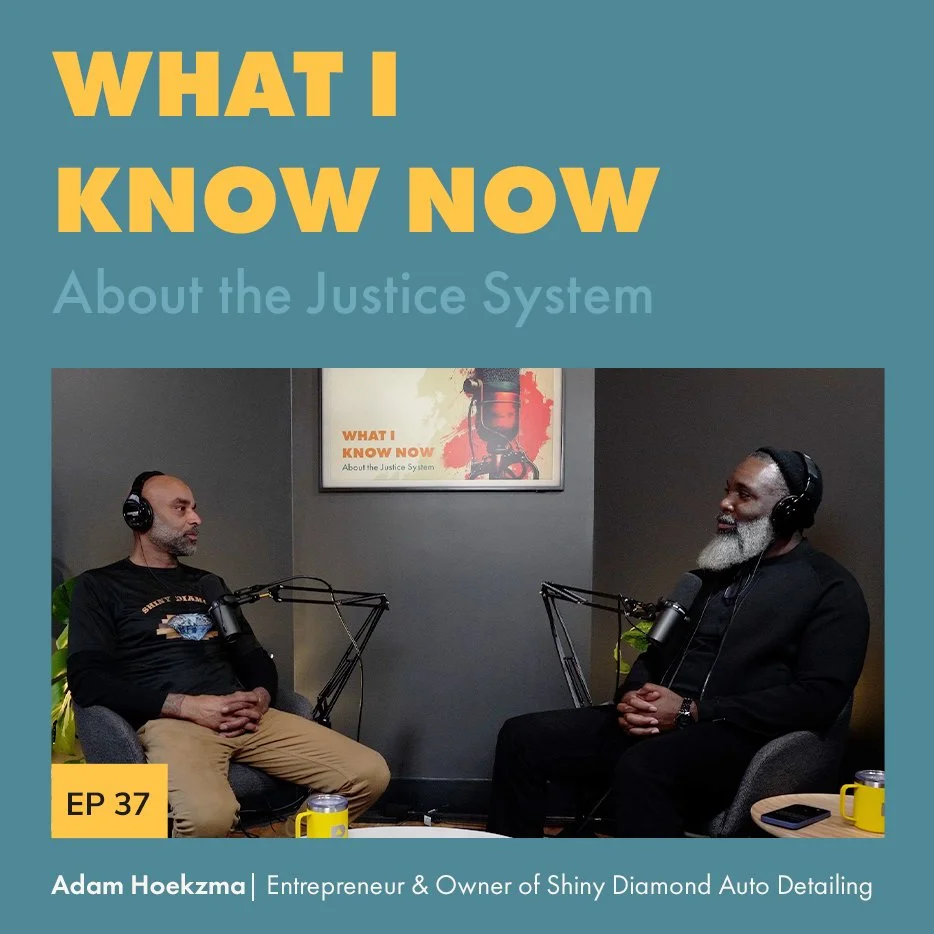
The episode explores Adam Hoeksma’s journey from a young car enthusiast in Grand Rapids to owner of Shiny Diamond Auto Detailing, highlighting his deep-rooted passion for detailing, shaped by family support and personal drive. Adam Hoeksma reflects on fatherhood across generations, sharing how his roles as a father and grandfather, combined with his diverse upbringing, inform both his business philosophy and commitment to legacy. The discussion addresses the realities of reentry after incarceration, as Adam Hoeksma candidly recounts his own experience with the justice system, challenging stereotypes about returning citizens and offering practical advice on rebuilding through resilience, community networking, and communication. The episode also delves into the importance of mentorship, community engagement, and creating supportive spaces for young people navigating the juvenile justice system. Through personal anecdotes, Adam Hoeksma and Cole Williams underscore the value of balance, rest, and listening—both in business and life—as essential lessons for anyone seeking to create lasting change for themselves and their communities.
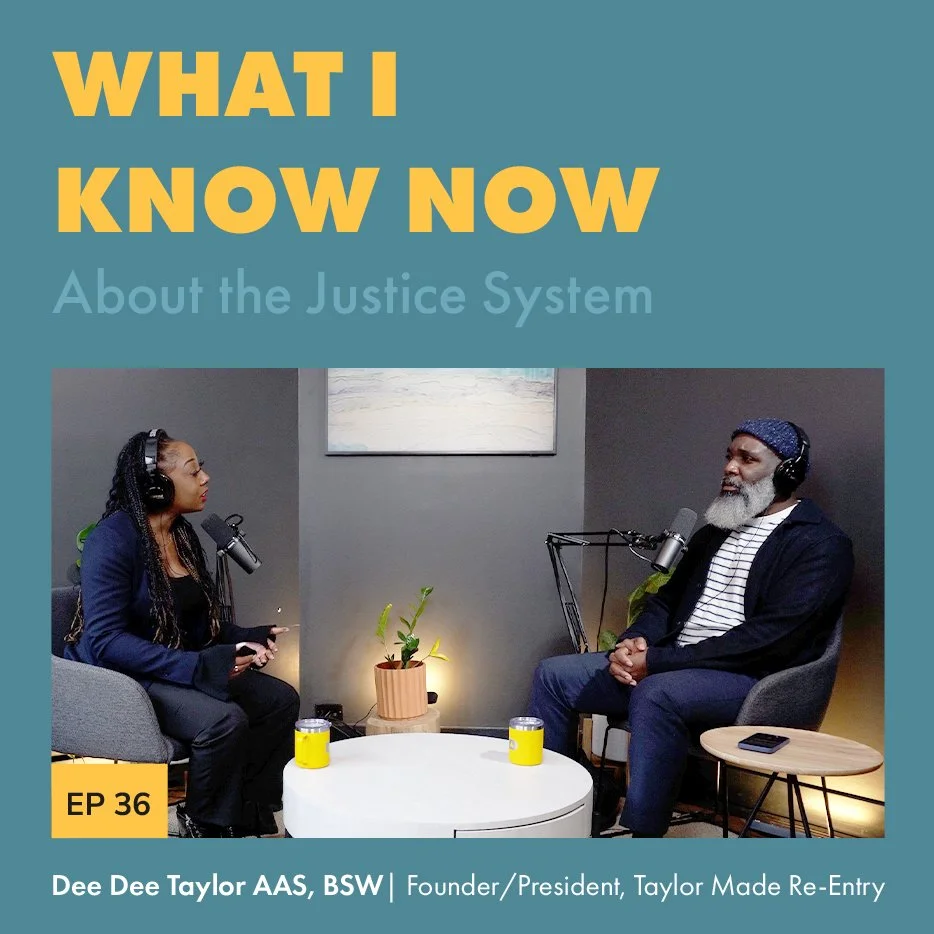
The episode explores Dee Dee Taylor's personal journey and her commitment to reimagining reentry support for those leaving incarceration. She shares how her early exposure to the criminal justice system, shaped by her father's incarceration, influenced her to found Taylor Made Re-Entry, a nonprofit focused on tailored resources for returning citizens in Michigan. The conversation delves into the systemic gaps in reentry services, the importance of individualized support, and the roles of poverty and access in recidivism. Dee Dee Taylor also reflects on the deep impact of her sister Breonna Taylor’s death and her unique approach of collaborating with law enforcement for systemic change. Throughout, the discussion emphasizes the collective burden incarceration places on families, the power of healing, and the courage it takes to seek help, advocating for compassion and community-driven solutions for successful reintegration
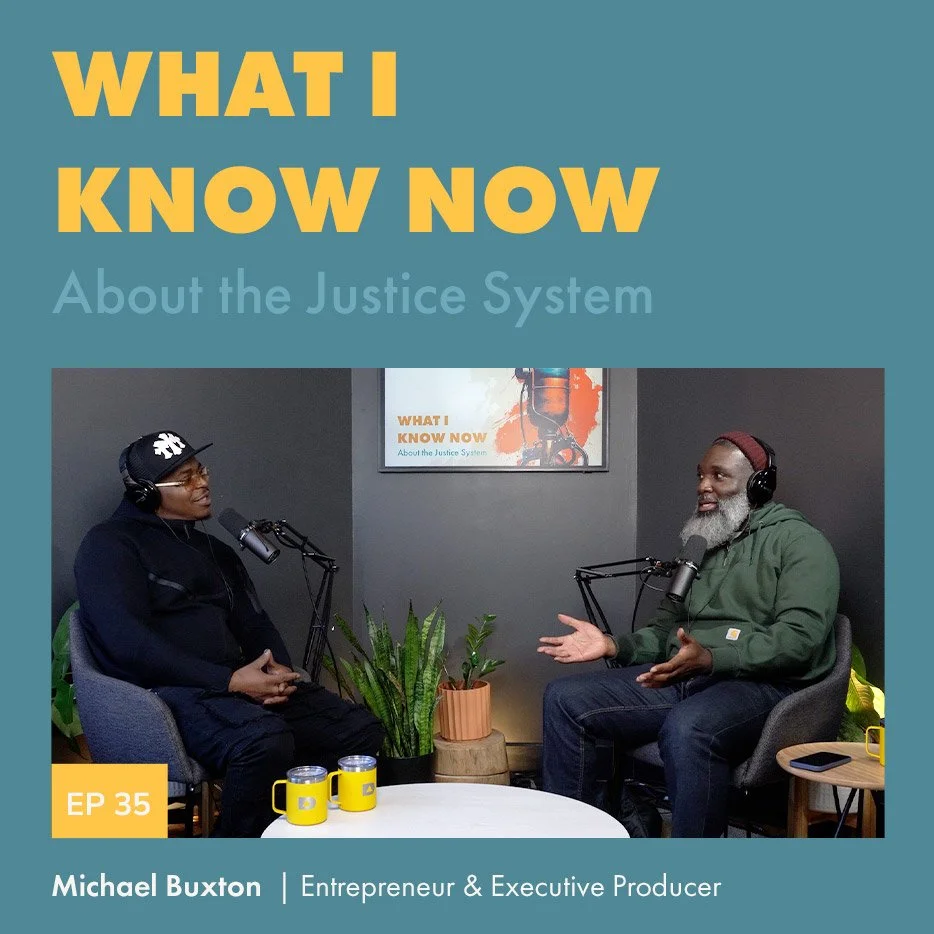
Michael Buxton shares how growing up between poverty, instability, and the streets led him from promising student-athlete to incarceration at a young age. In conversation with Cole Williams, he reflects on accountability, fatherhood, and the relationships that helped him rebuild his life—and why authentic mentorship and opportunity matter for youth trying to break the same cycles.
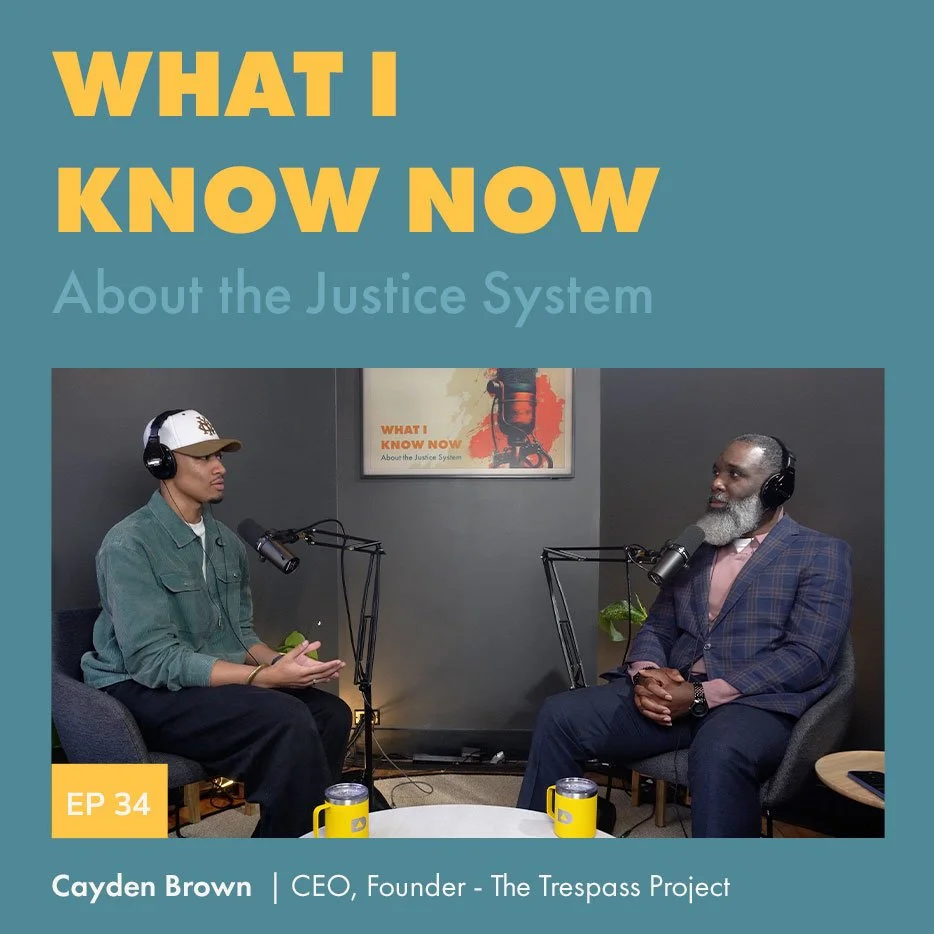
Cayden Brown reflects on going from a child unheard in the courtroom to a national advocate for youth voice and juvenile justice reform. In conversation with Cole Williams, he shares how lived experience shaped programs like Teen Court and why empowering young people to be seen, heard, and trusted can change the direction of their lives.
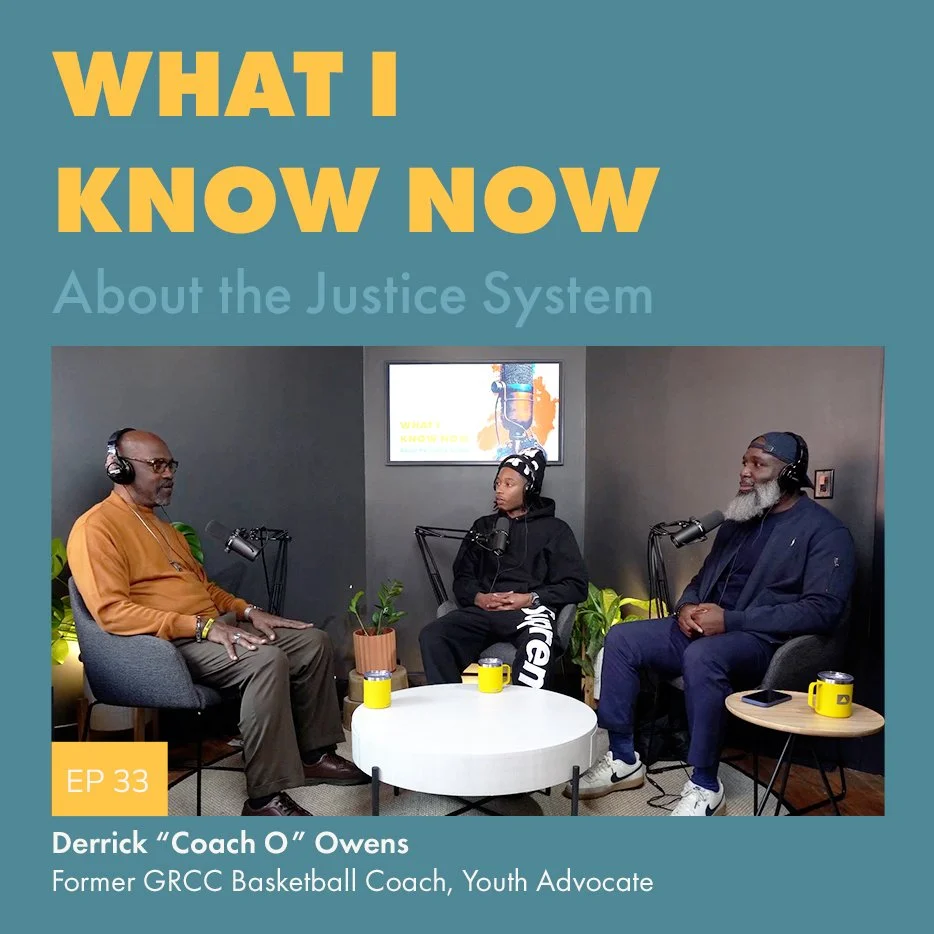
Coach O reflects on growing up in Detroit surrounded by instability, foster care, and incarceration—and how mentorship and basketball helped shape a different future. In conversation with Cole Williams and Nick Williams, he shares why accountability, respect, and authentic connection are essential for young people and fathers trying to break generational cycles.
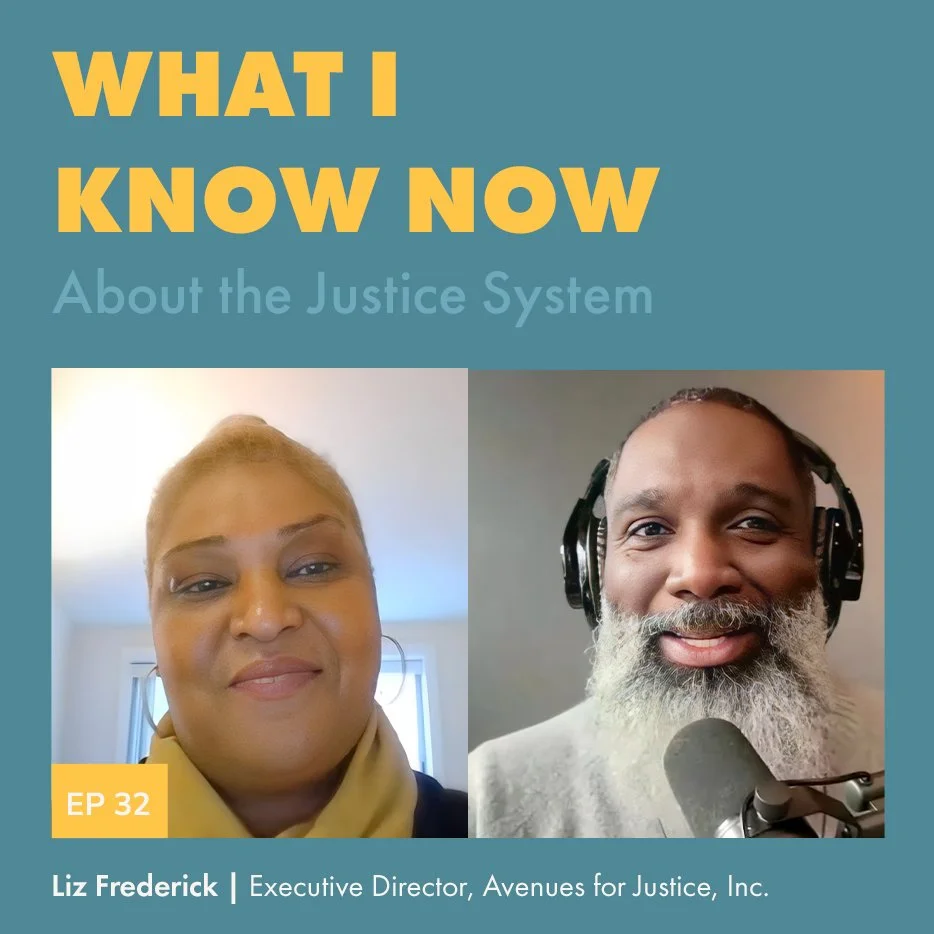
Liz Frederick shares how Avenues for Justice is creating alternatives to incarceration through mentorship, advocacy, and long-term community support for youth in New York City. In conversation with Cole Williams, she reflects on the generational impact of incarceration, the importance of lived experience, and why real change begins with relationships—not punishment.
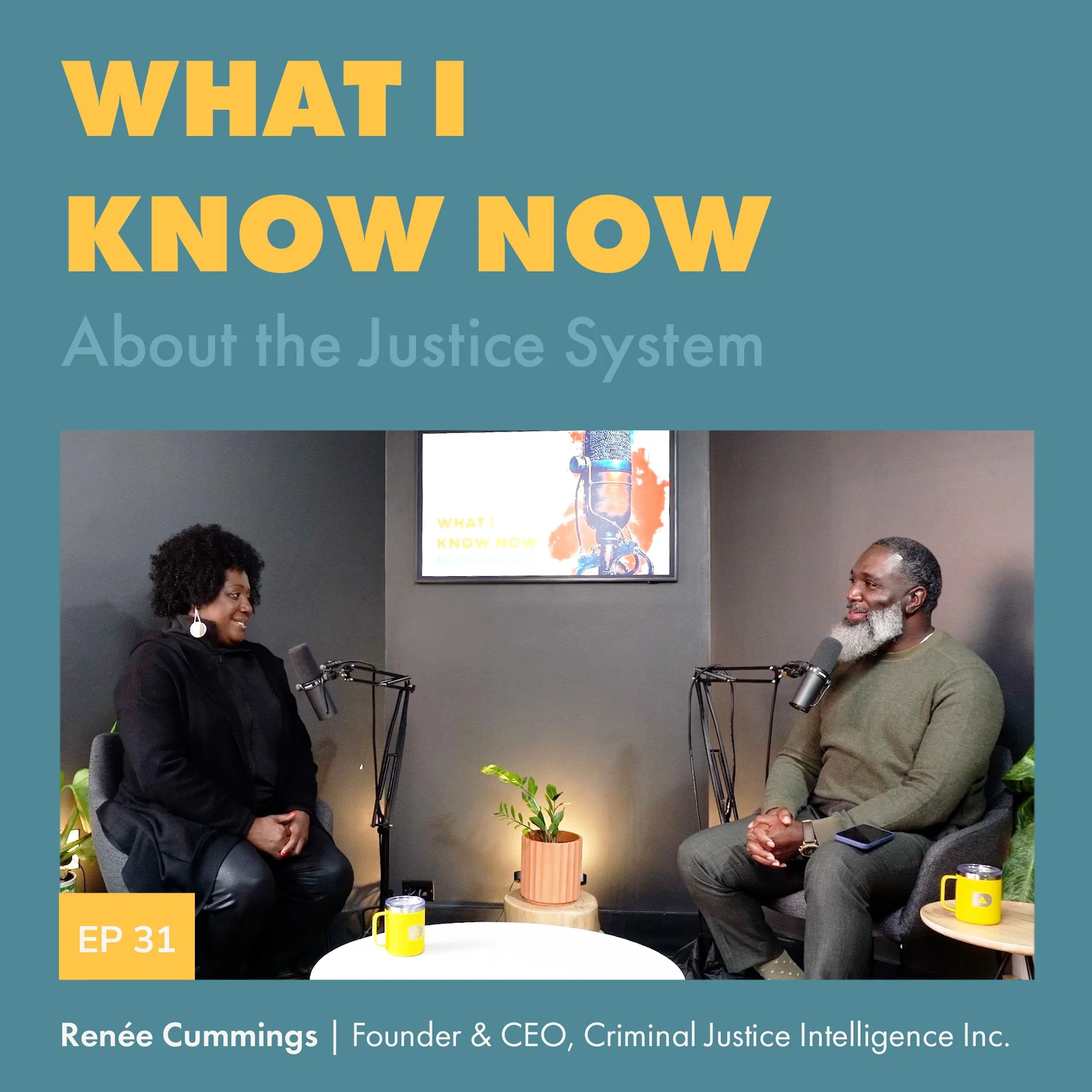
Renee Cummings explores how artificial intelligence, predictive policing, and digital data are reshaping the future of juvenile justice. In conversation with Cole Williams, she challenges listeners to consider who technology protects, who it harms, and how AI can be used to create more human-centered systems for young people.
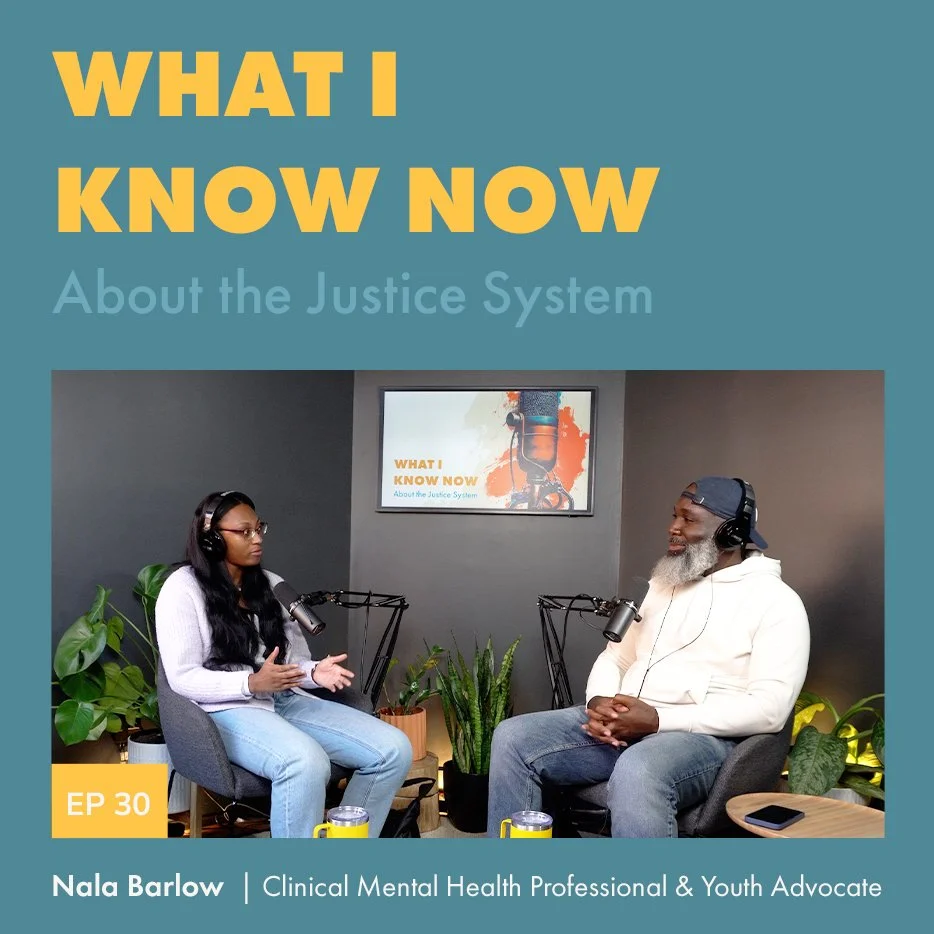
Nala Barlow reflects on growing up surrounded by instability, homelessness, and the weight of adult responsibilities at a young age—and how mentorship, athletics, and education helped change the direction of her life. In conversation with Cole Williams, she shares how those experiences now shape her work supporting youth in juvenile detention and why healing begins when young people feel seen, valued, and loved.
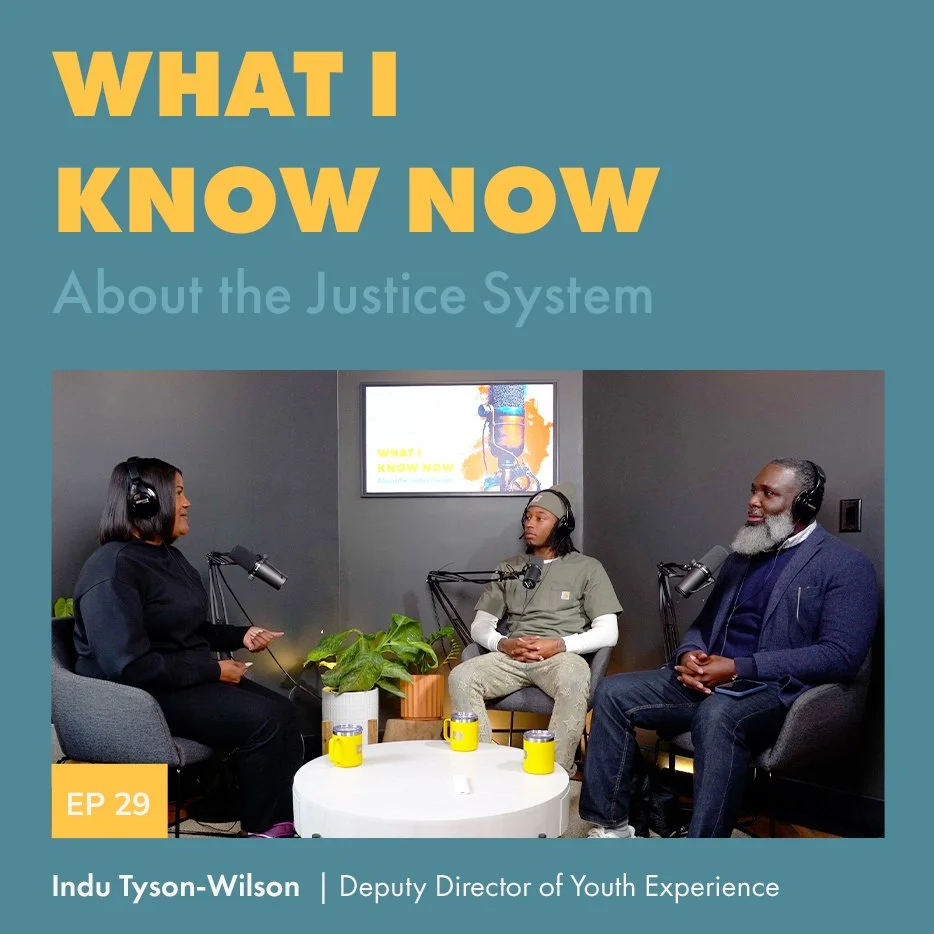
Indu Wilson shares her approach to juvenile justice at the Wayne County Juvenile Detention Facility, where compassion, accountability, and trauma-informed care are reshaping how youth experience detention. In conversation with Cole Williams and Nick, she reflects on the power of mentorship, community support, and treating system-involved youth as children worthy of dignity, opportunity, and hope.
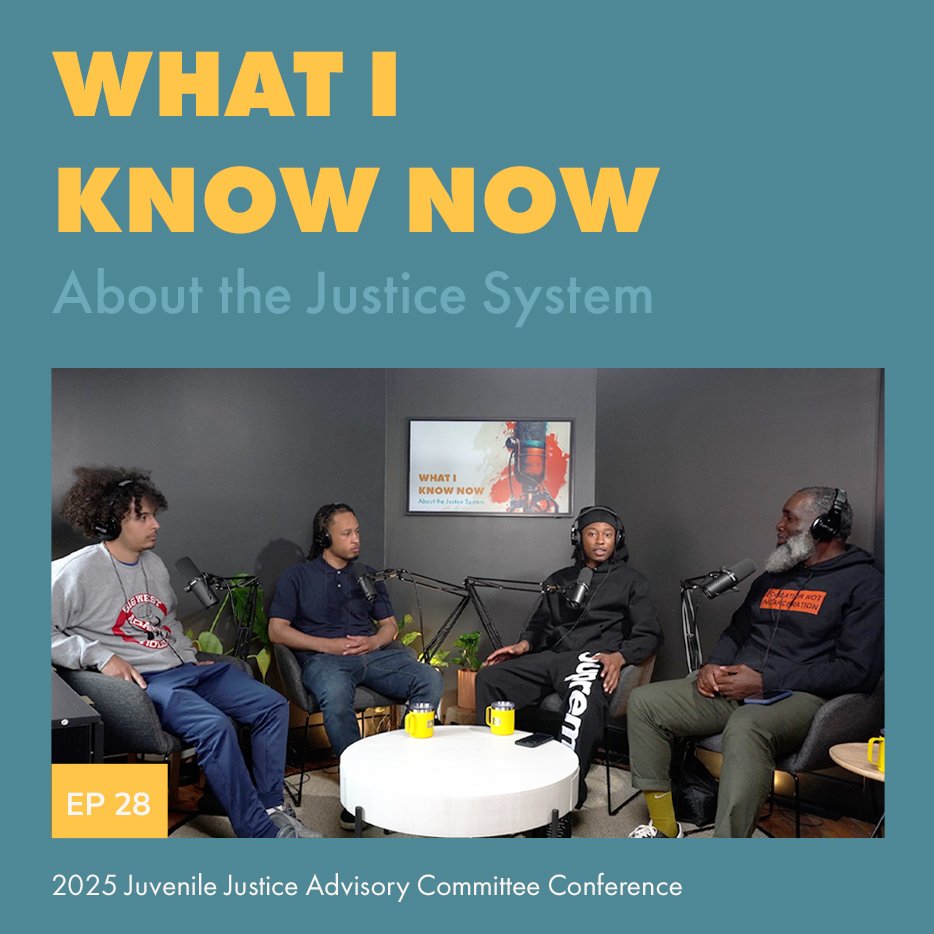
Cole Williams joins Marshall Mansfield, Nick Williams, and Jordan Lyle for an honest conversation about growing up inside Michigan’s juvenile justice system. Together, they reflect on institutionalization, identity, and the small moments of compassion that can shape a young person’s belief in their own future.
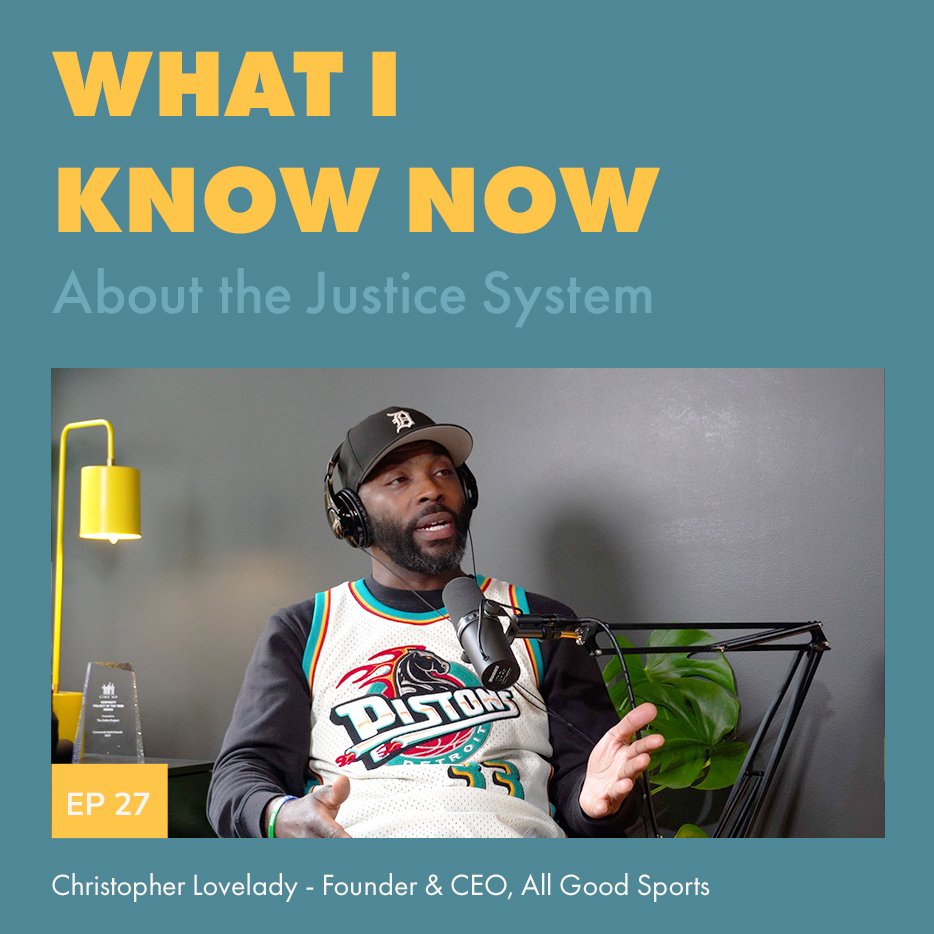
Christopher Lovelady reflects on fatherhood, mentorship, and the responsibility of creating spaces where young men feel supported, challenged, and connected to community. In conversation with Cole Williams, he shares how programs through All Good Sports use consistency, accountability, and brotherhood to help youth impacted by violence and incarceration imagine a different future.